A Quiet News Feed Does Not Mean a Quiet Crypto Market
With no verified market developments in today’s source set, investors should avoid mistaking missing information for evidence that prices, liquidity, and risk are stable.
Original takes on what's moving in crypto — written for readers who want signal, not noise.
With no verified market developments in today’s source set, investors should avoid mistaking missing information for evidence that prices, liquidity, and risk are stable.
With no verified items in the supplied news feed, the responsible market conclusion is not bullish, bearish, or quiet—it is that today’s broad trend remains unconfirmed.
Useful onchain identity requires distinct systems for verifying claims, granting access, and controlling how long personal data remains exposed.
Useful AI provenance requires identity, custody, revocation, and verification controls around the blockchain record.
Wallet and exchange safeguards work best when they limit what an attacker can do after credentials, devices, or approvals have already been compromised.
Tokenholders should evaluate how governance decisions reach production, not merely whether a proposal passes.
On-chain collateral monitoring can warn borrowers about liquidation risk, but it cannot guarantee the liquidity needed to refinance a stressed position.
With no verifiable adoption announcement in today’s source feed, the useful question is what evidence would show that an enterprise blockchain project has moved beyond a pilot.
Enterprise pilots become credible adoption only when customers keep using the network under real operating conditions.
Node operators and staking businesses should test recovery paths without creating double-signing, key-security, or dependency risks.
Wallets, exchanges, and payment applications can lose reliable blockchain access even when the underlying network continues producing blocks.
With no verified US policy development in today’s source set, crypto businesses should use documented legal triggers—not rumors or political forecasts—to change customer access.
A missing news feed should not stop a US business from reconciling stablecoin payments, monitoring counterparties, or controlling dollar liquidity.
Dollar-denominated tokens may support US commerce, cards, and remittances, but blockchain activity alone cannot show where the underlying economic transaction occurred.
Banks evaluating XRP, XLM, XDC, HBAR, ALGO or VeChain need to assess liquidity, legal finality and operational controls—not rely on messaging-standard narratives.
XRP, XLM, XDC, HBAR, ALGO and VeChain cannot earn a role in cross-border settlement without solving liquidity, accounting and operational control for the institutions expected to use them.
When verified inputs are missing, an AI product should preserve the gap instead of filling it with persuasive but unsupported output.
With no verified wallet incident or product update in today’s source feed, users should focus on a persistent risk they can control: accumulated approvals, connected apps, and poorly separated accounts.
An empty news feed cannot support claims about new DeFi trends, but it does not suspend the operational risks attached to lending, liquidity and derivatives positions.
Stablecoin-backed cards may improve access to dollar balances, but their growth should not be confused with merchants directly accepting or settling in stablecoins.
Payment-focused tokens should be evaluated through documented transaction flows, legal settlement terms and operating controls—not broad claims about a new financial system.
With no verified items in today’s supplied news record, investors should resist forcing a market narrative and instead wait for confirmation across price, flows, liquidity, and primary sources.
Giving an AI agent a wallet is technically simple; defining what it may buy, from whom, and under whose authority is the harder product problem.
A recovery phrase stored somewhere “safe” is not enough; self-custody users need a controlled process for proving that their backups, instructions, and devices will work under pressure.
With no entries in the supplied news feed, the useful infrastructure lesson is how operators distinguish a quiet market from a broken data pipeline.
With no verified payment developments in today’s source feed, businesses should judge stablecoin rails by settlement, redemption, compliance, and accounting evidence—not adoption claims.
XRP, XLM, XDC, HBAR, ALGO, and VeChain should be evaluated on verifiable settlement activity and integration work—not their association with a financial messaging standard.
An empty news feed highlights a critical product requirement for AI-powered crypto tools: the ability to abstain when verified source material is unavailable.
With no verified protocol development in today’s source feed, investors should focus on how DeFi projects measure liquidity, leverage, and genuinely new capital.
With no new source-backed payment data in today’s news feed, businesses should judge stablecoin adoption through transaction purpose, redemption reliability, and operational integration.
XRP, XLM, XDC, HBAR, ALGO, and VeChain will not earn bank adoption through ISO 20022 labels alone; they must fit the reconciliation, compliance, and exception workflows surrounding each payment.
The movement of 600 BTC mined in 2010 is not proof of a sale, but it highlights the operational risks involved when long-dormant wallets return to use.
Reclassifying rehypothecated tokens highlights how easily DeFi dashboards can confuse layered claims with new capital.
Reports of a major withdrawal from Liquid federation reserves highlight how sidechain security depends on custody controls, incident response, and transparent reserve accounting.
A proposed route out of security status could improve US token-market mechanics, but its narrow eligibility would force issuers and trading venues to examine how each asset was originally financed.
For US fintechs, moving dollars on-chain can shorten settlement times while creating new demands around reconciliation, liquidity, compliance, and asset selection.
Ripple’s European authorization and stablecoin guidance show why regulated access, treasury controls and reliable settlement matter more to financial institutions than ISO 20022 labels.
Messari’s case for Solana as a round-the-clock securities rail highlights the operational questions Ethereum and its Layer 2 networks must answer to compete.
A stronger-than-forecast US payroll report rattled equities, but Bitcoin’s muted response suggests traders are waiting for clearer evidence on the Federal Reserve’s next move.
Ether and Solana outpaced bitcoin in a recent market snapshot, but token performance alone says little about whether capital is returning to lending, liquidity pools or on-chain derivatives.
The widening investigation around Zondacrypto and the bankruptcy of its Estonian operator show why crypto users must evaluate the legal and operational entities behind an exchange—not just its interface.
A reported move to permit Bitcoin ETN trading illustrates how established investment platforms are shifting from debating crypto’s legitimacy to controlling how clients access it.
A reference to a shift in US crypto legislation may justify closer monitoring, but businesses need primary-source evidence before changing products, disclosures, or compliance plans.
A Bank of Korea study highlights how dollar-backed tokens can extend the reach of US currency while creating new operational risks for payment companies and remittance users.
With Bitcoin’s long-term gains concentrated in a small number of sessions, US investors face a harder allocation question than whether the next move starts today.
Falling token prices, renewed private funding and large Bitcoin ETF activity point to a market that still has capital—but is becoming more selective about where it goes.
FinCEN’s analysis linking $13 billion in crypto scams to overseas operations underscores why wallet security must extend beyond protecting seed phrases.
Conflicting price snapshots and broken metadata show why crypto operators need dedicated, timestamped market data rather than numbers scraped from article pages.
A reported recovery in Southeast Asian crypto funding suggests institutional capital is returning selectively, with established businesses taking priority over speculative expansion.
FinCEN’s linkage of $13 billion in suspicious crypto activity to overseas scam operations shifts the policy focus toward the US institutions that move, convert, and receive the proceeds.
Financial partnerships can widen crypto access, but the meaningful test is whether they move dollar settlement, card spending, remittances, or business liquidity on-chain.
The fight over an AMC-linked stock token shows why tokenized equities need enforceable connections to shareholder rights, not merely blockchain settlement.
A large US ETF flow figure alongside a sub-$80,000 Bitcoin price shows why investors should separate institutional demand from immediate market direction.
A bank-branded crypto trading service can widen access, but altcoin adoption still depends on which assets, customers and real-world workflows it supports.
Bitcoin can now buy more gold than at any point since January, but the improving ratio does not make the two assets interchangeable in an institutional portfolio.
The regulator’s dismissal request could stop CME’s challenge before a court reaches the larger question of how crypto perpetual futures fit into US derivatives oversight.
A reported Payward-SoFi deal points toward the consumer-finance layer where stablecoins could become useful, but distribution alone will not establish real payment adoption.
A $731 million day for US spot Bitcoin ETFs strengthens the institutional-demand case, but BlackRock’s dominance and a single session’s data still argue for caution.
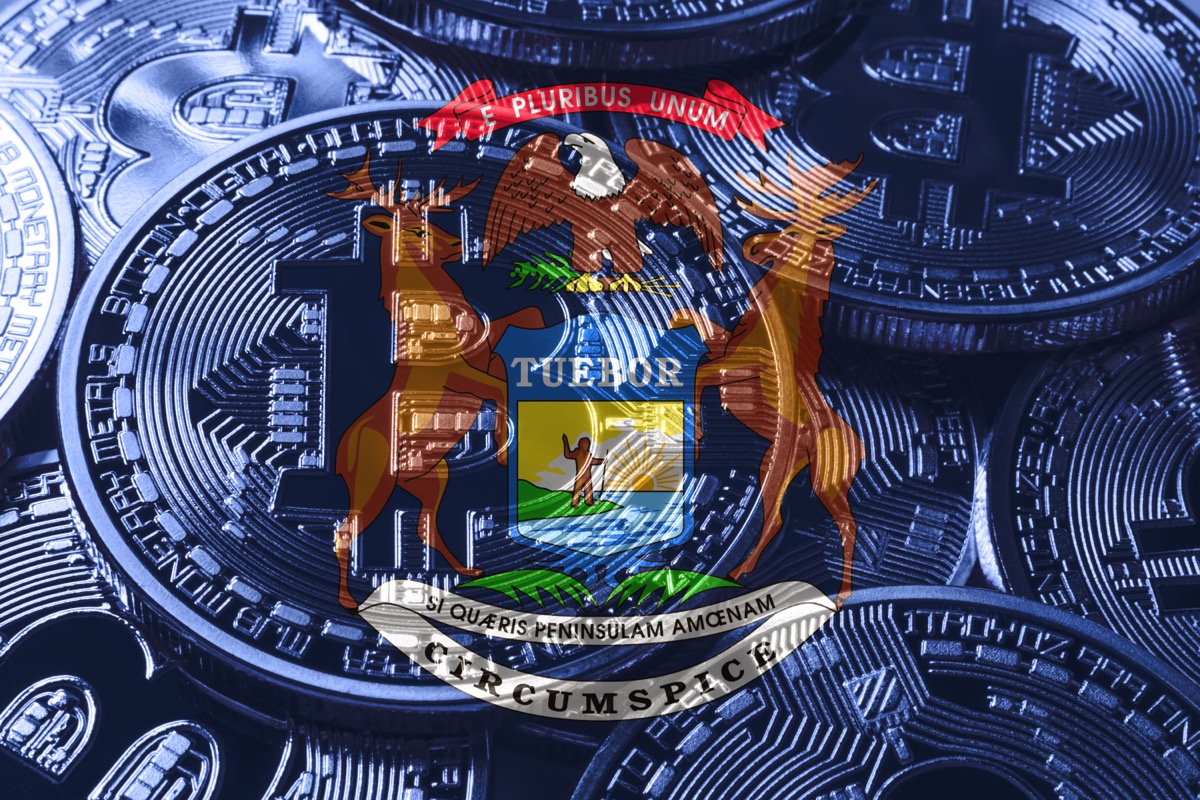
A reported end to crypto mining at a Michigan site highlights how miners must compete with hyperscale data-center operators for power, land and long-term infrastructure value.
A planned 2027 test issuance could bring insurance-linked securities onchain, but the institutional case depends on widening access without weakening underwriting, custody, or claims administration.
A reported prediction from the SEC chair may signal political momentum, but companies still need enacted text, effective dates and agency rules before changing compliance plans.
The CFTC’s effort to dismiss CME’s lawsuit over crypto perpetual futures could shape how regulated US venues compete for Bitcoin derivatives business.
Reported stablecoin plans from BofA and Citi, alongside regulatory activity in Singapore and Thailand, point to a technical bottleneck that token issuance alone cannot solve.
Conflicting periods, revised totals and live updates make crypto ETF flow figures difficult to use unless data providers preserve timestamps and calculation history.
Bitcoin fund outflows and an extended run of XRP ETF inflows show why institutions can no longer treat crypto product flows as one broad risk signal.
Protect Progress’s reduced media spending in a Massachusetts primary is a reminder that crypto’s political budget can shape access and incentives without guaranteeing durable federal policy.
Reported stablecoin plans from two major US banks raise a practical question: whether tokenized dollars will improve domestic payments or remain specialized tools for moving institutional liquidity.
Eleven straight days of reported XRP ETF inflows strengthen the asset’s investment infrastructure, but banks still need reliable liquidity, compliance and operational integration before using any token for settlement.
A $236 million reversal in US spot Bitcoin ETF flows, accompanied by a drop below $77,500, shows why investors should distinguish persistent institutional demand from a single day of buying.
Bitcoin, ether and XRP funds are attracting capital despite weak spot prices, creating a market split that points to steady institutional allocation rather than a broad risk-on rally.
Ethereum’s security experiments and CoinGecko’s token-ranking changes show why reliable crypto automation depends on traceable inputs, explicit definitions and human review.
Wallets combining hundreds of networks, swaps and fiat access can simplify crypto use, but they also make a single compromised session more consequential.
A proposed route out of securities status may favor pure token contracts while leaving the equity-plus-token-warrant structure common in crypto venture deals outside its scope.
Persistent inflows into XRP and ether funds suggest the next phase of institutional crypto adoption may depend less on headline launches than on access through advisers and familiar brokerage accounts.
A reported $21 billion valuation and backing tied to Donald Trump Jr. would give Polymarket more political visibility, but it does not settle the rules governing US prediction-market access.
The strongest case for stablecoins today is not a wave of consumer purchases but a quieter shift in how fintechs fund, settle and reconcile cross-border dollar payments.
Strong XRP fund inflows expand regulated investment access, but bank adoption still depends on whether tokenized settlement can meet operational, liquidity and compliance requirements.
The London Stock Exchange’s planned work with Payward shows tokenization moving toward major equities, but Ethereum and its rollups still have to prove they can support the full market structure.
US spot Bitcoin ETFs drew $217 million in their latest session while corporate buyers reportedly added more BTC, setting up a fresh contest between institutional demand and rising global bond yields.
The Ethereum Foundation’s work with coordinated AI agents suggests that useful security automation should be measured by reproducible, reviewable findings—not the volume of bugs a model claims to discover.
Holding your own keys does not eliminate the issuer, protocol and collateral risks embedded in increasingly layered crypto assets.
A 10-day inflow streak for spot Ethereum funds strengthens institutional demand for ETH exposure, but it does not automatically supply the collateral, trading depth or yield activity that on-chain markets need.
Stellar’s growing real-world asset footprint is notable, but durable institutional adoption will depend on how well the network supports the full life cycle of regulated assets.
A report that Polygon revealed security flaws offers little operational guidance on its own, underscoring why exchanges, custodians and validators need structured incident disclosures rather than headline-level assurances.
CoinGecko’s planned treatment of rehypothecated tokens highlights why funds and treasury teams need exposure-based reporting rather than market-cap tables alone.
A $172,000 settlement involving advance knowledge of presidential speeches shows why prediction-market compliance must extend beyond conventional finance.
For US fintechs, the real change is not faster settlement alone but the operational burden of managing dollar liquidity across banking hours and always-on blockchain rails.
XRP, XLM, XDC, HBAR, ALGO and VeChain can support financial infrastructure, but banks will select payment rails corridor by corridor based on licensing, liquidity and operating controls.
The reported use of a liquid staking token and E-mode to overborrow shows how capital-efficiency features can turn questionable collateral assumptions into reserve-level losses.
A $201.9 million reversal in US spot Bitcoin ETF flows leaves dollar strength and the coming jobs report as the market’s next major tests.
Modest gains in major assets contrast with sharp token-specific failures, making operational credibility more important than the market’s headline direction.
Lower token issuance can improve headline economics, but DeFi users still need to separate protocol rewards from sustainable, fee-backed returns.
Research suggesting Americans favor control and incremental investing points utility-focused networks toward practical product design rather than recycled store-of-value pitches.
The Ethereum Foundation is positioning the network as neutral infrastructure for institutions, while fixed-rate lending projects show what that thesis must deliver in practice.
A disputed token promoted through Trump-linked online properties shows why political branding cannot substitute for verifiable authorization.
The reported Plutus incident shows how a payment-security failure can spill into a platform token, turning routine card risk into a broader crisis of confidence.
XRP, XLM, XDC, HBAR, ALGO and VeChain may compete for financial workloads, but a messaging standard does not place any token inside a bank’s settlement process.
The Ethereum Foundation’s work with coordinated AI agents points to a practical lesson for protocol teams: automated findings matter only when humans can verify, prioritize and route them.
Bitcoin held near $78,000 in late-August market snapshots, but US investors need current ETF flow and liquidity data before treating the recent advance as durable institutional demand.
Bitcoin, Ether, XRP and Solana fell alongside the broader crypto market, but the available evidence supports a risk-off session more clearly than any single explanation for it.
Dormant Bitcoin movements and XRP Ledger’s quantum preparations highlight a neglected custody problem: long-lived keys must remain recoverable, observable and capable of migrating safely.
TermMax’s latest backing highlights a larger challenge for fixed-rate DeFi: turning loan positions into assets that investors can price, transfer and exit efficiently.
Malformed links, consent-page text and incomplete article extracts can quietly turn crypto news automation into a source of false signals.
A reported dual-treasury target from Genius Group highlights the widening gap between corporate crypto ambitions and capital already committed.
Preparing the XRP Ledger for quantum computing is less about predicting “Q-Day” than proving that payment infrastructure can replace cryptography without disrupting access or settlement.
A cluster of decade-old wallets became active as Bitcoin traded near $77,500, but most of the coins did not move to exchanges—limiting the case for an imminent sell-off.
Visa and Dunamu’s exploration of stablecoins and AI commerce points toward a harder infrastructure problem: distinguishing authorized machine activity from automated financial noise.
OneKey’s reproduction of a transaction replacement attack against an outdated Ledger Ethereum app shows why self-custody security must cover the entire signing process, not just private-key storage.
Kraken’s brief account lockouts show how a flood of low-value sanctioned transactions can force compliance systems to choose between rapid containment and uninterrupted access.
A US proposal addressing when crypto assets can move beyond securities treatment may help narrowly structured token offerings while excluding the equity-plus-token deals common in venture financing.
Visa and Upbit parent Dunamu are exploring stablecoin payments, remittances and AI commerce, but the announcement leaves the most important questions about deployment, settlement and US use unanswered.
Ripple’s Luxembourg authorization expands its regulated service perimeter, but it does not establish that banks will settle payments in XRP—or that any public token has become part of a bank’s core rail.
A large derivatives expiry followed Bitcoin’s climb from roughly $62,000, but the next move will depend on fresh positioning rather than the contracts that just settled.
With no sourced market developments in today’s feed, the defensible big-picture view is a framework for distinguishing a genuine market-wide move from noise in a handful of tokens.
Crypto can settle machine payments, but useful AI commerce also requires verifiable records of what was requested, executed, and delivered.
With no sourced adoption developments in today’s feed, investors should review whether older enterprise and payment-rail narratives have produced measurable results.
Assets under management can show a fund’s scale, but not whether its crypto exposure can be entered, hedged, financed, or unwound efficiently.
Stablecoins may improve settlement, but US merchants cannot treat them as mature payment infrastructure until returns, disputes, and accounting adjustments work reliably.
Before a bank moves payments or settlement onto XRP, XLM, XDC, HBAR, ALGO, VeChain, or any tokenized rail, it needs a credible plan for switching production flows without disrupting customers.
With no verified market developments in today’s source feed, the broadest useful lesson is that crypto performance cannot be described responsibly without specifying the assets, time window, and evidence behind the claim.
Giving an AI agent access to a founder’s wallet, API key, or employee account erases the identity boundary needed to control and audit automated transactions.
Crypto users and custody teams should treat every recovery path as a separate authentication system with its own risks, controls, and failure modes.
When reliable market and protocol evidence is unavailable, DeFi’s safest response is to narrow discretion rather than infer a trend.
With no verified adoption developments in today’s source feed, the most useful test is whether a blockchain project has crossed from experimentation into an enterprise purchasing process.
With no verified infrastructure developments in today’s source feed, operators should preserve known-good baselines rather than mistake silence for system stability.
US payment companies need to distinguish consumer funding, merchant settlement, and cross-border movement before labeling card volume as stablecoin adoption.
Payment-focused tokens will earn a role in banking only if they can reduce funding costs without creating larger liquidity, execution, and control problems.
With no verified items in today’s supplied news record, the defensible market view is conditional rather than directional.
AI and blockchain may work together technically, but products still need to show whether compute, verification, settlement, and support costs leave room for a viable business.
Keeping routine internet activity away from the device and software used to authorize crypto transactions can reduce the number of ways a wallet is exposed.
Traders should distinguish governance discussion, approved proposals, and executed code before treating protocol changes as investable events.
Without a named executive responsible for costs, controls, and production outcomes, an enterprise blockchain pilot is weak evidence of altcoin adoption.
Miners, validators, exchanges, and custodians cannot assess upgrade risk without knowing which clients, vendors, services, and internal systems their operations depend on.
Without transaction-level evidence, changes in token supply cannot show whether stablecoins are gaining ground in US commerce, remittances, cards, or treasury operations.
XRP, XLM, XDC, HBAR, ALGO and VeChain cannot be evaluated as settlement assets until adoption claims identify exactly what banks would owe, hold and transfer.
With no items in the supplied news record, investors cannot responsibly identify a dominant market trend, catalyst, or policy shift for the day.
Giving one AI system the power to interpret requests, approve spending, hold keys, and execute payments creates an avoidable concentration of risk.
Wallet security depends on understanding every key, device, contract permission, recovery path, and account that can move or expose funds.
Without source-backed protocol data today, the useful question is how investors can distinguish durable capital migration from temporary, duplicated, or incentive-driven deposits.
Enterprise use of a utility-focused network matters only when a defined business workload moves into production and remains there under measurable operating standards.
Exchanges, custodians and payment businesses need confirmation rules tied to transaction risk, chain conditions and operational consequences—not a single number copied across every asset.
Investors should distinguish corporate treasury holdings, client assets, fund positions, and operational balances before treating institutional crypto exposure as a directional market signal.
With no source-backed developments in today’s feed, US readers should resist treating transaction volume, card activity, or on-chain dollar movement as proof of domestic payment adoption.
Investors should evaluate payment-focused networks by their specific role in the transaction chain, not bundle them into a vague “new financial system” narrative.
With no verified news items in today’s source feed, investors should resist forcing scattered price action into a market-wide story.
Before autonomous software can spend safely, payment systems must distinguish available funds from money already committed to unfinished tasks.
Strong keys cannot prevent a user from approving a transfer to the wrong address, making recipient verification a core wallet-security control.
With no verified DeFi developments in today’s source file, investors should distinguish protocol-changing events from routine on-chain noise.
Before a utility-focused network enters production, US companies need to evaluate its operators, dependencies, upgrade controls, and legal exposure like any other critical vendor.
With no verified infrastructure developments in today’s source feed, investors should focus on the operating evidence needed to evaluate miners, validators, custodians, and networks.
With no verified US policy development in today’s source feed, crypto firms should distinguish political signals from legal changes before altering access, compliance, or investment decisions.
With no verified developments in today’s source feed, the useful question is not whether stablecoin activity is growing, but which domestic payment flows can actually be demonstrated.
Faster token transfers matter only if banks can match them to customer obligations, compliance records, liquidity movements, and their own books.
With no verified developments in today’s supplied news feed, investors should separate observable market moves from the narratives used to explain them.
Autonomous payments will remain operationally unsafe until systems can recognize retries, prevent duplicate transfers, and reconcile one commercial intent across multiple rails.
Hardware wallets and multisignature setups protect keys, but users also need enforceable limits that contain the damage from a bad transaction.
With no verified protocol development in today’s source feed, the useful question is how much advertised DeFi yield survives fees, slippage, incentives, taxes, and exit costs.
With no verified infrastructure development in today’s source feed, operators should use the quiet window to define which failures require alerts, shutdowns, disclosures, and executive action.
With no verified institutional developments in today’s source file, investors should distinguish financial firms offering crypto access from those committing meaningful capital.
Stablecoin transaction volume says little about domestic payment adoption unless businesses can identify who is paying, who is settling, and where dollars enter and leave the system.
XRP, XLM, XDC, HBAR, ALGO, and VeChain will not earn durable roles in financial infrastructure unless their payment systems can handle investigations, reversals, compliance holds, and reconciliation failures.
Automated crypto systems need tested controls that can revoke authority, stop queued actions, and contain losses without depending on the same software that failed.
Phones, laptops, and hardware wallets that once touched crypto should be decommissioned through a documented process that protects keys, account access, and recovery data.
Borrowing limits and headline liquidity figures say little about whether a lending protocol can unwind collateral safely during market stress.
Enterprises evaluating utility-focused networks should measure whether applications actually depend on them, not merely whether developers have touched the code.
Seed phrases, key shards, configuration files, and transaction records offer little protection unless operators can prove they can restore them under realistic conditions.
With no verified US policy development in today’s source file, crypto businesses should focus on documenting which regulatory changes are real, effective, and operationally relevant.
Without verified merchant-acquiring data, claims about stablecoin payment adoption cannot distinguish domestic commerce from card funding, transfers, or on-chain liquidity movements.
Investors evaluating XRP, XLM, XDC, HBAR, ALGO, and VeChain need to separate standardized financial messages from the assets banks actually approve for settlement.
With no verified Bitcoin development in today’s supplied news feed, US investors should focus on how price, liquidity, macro signals, and institutional data move across mismatched reporting windows.
With no verified developments in today’s source feed, investors should distinguish a lack of confirmed catalysts from a lack of market risk.
Machine-controlled payments will remain difficult to secure and audit until every system interprets the same instruction in exactly the same way.
A simple rule for verifying wallet, exchange, and custody communications can stop urgency from turning into unauthorized access.
Deposits and total value locked can make leveraged activity look like durable liquidity unless investors also track debt, rehypothecation, and withdrawal capacity.
With no verified adoption developments in today’s source feed, investors should judge utility-focused networks by whether removing the token would make a deployed system meaningfully worse.
With no verified infrastructure development in today’s source feed, operators should focus on a persistent reliability risk: undocumented changes across nodes, validators, and signing systems.
Investors should distinguish a firm’s ability to access crypto from an approved mandate and an executed allocation.
Stablecoins move around the clock, but the US banking rails needed to fund, redeem, and reconcile them still operate on different schedules.
XRP, XLM, XDC, HBAR, ALGO, and VeChain cannot earn serious banking roles without clear procedures for failed, disputed, duplicated, or misdirected transfers.
With no verified developments in today’s source feed, the market’s central challenge is separating genuine price discovery from positioning, liquidity effects, and recycled narratives.
When AI software can initiate blockchain transactions, operators need to know exactly which model, policy, and data produced each decision.
Pre-signing simulations can expose malicious transfers and approvals, but users still need independent checks before authorizing a crypto transaction.
Comparing DeFi positions by advertised yield obscures when capital can actually be recovered, repriced, or redeployed.
Utility-focused networks need to show whether real usage is distributed across durable customers or concentrated in a handful of subsidized relationships.
Custody systems should treat withdrawals as a controlled operational process, not merely a transaction-signing function.
Faster dollar settlement may help US merchants, but routine refunds, disputes, and accounting adjustments remain the harder test for stablecoin payment systems.
With no verified developments in today’s source feed, the responsible market read is to test whether price action is broad, liquid, and durable before assigning it a narrative.
Giving an AI agent a wallet is easy; building an identity and permissions system that can safely govern its transactions is the harder product problem.
Wallet users who protect their seed phrases but ignore persistent token permissions may be leaving an important security boundary unmanaged.
Lending markets advertise collateral ratios and yields, but their behavior when price data becomes unreliable often determines who absorbs the losses.
Validators, exchanges, custody systems, and trading desks depend on synchronized clocks, but timestamp integrity rarely receives the same scrutiny as keys or uptime.
Financial institutions should judge blockchain pilots by production economics and operational readiness, not transaction demonstrations or indefinite strategic optionality.
Paying workers in digital dollars may simplify transfer mechanics, but US businesses still need conventional payroll records, approvals, reconciliation, and cash-management controls.
XRP, XLM, XDC, HBAR, ALGO, and VeChain will not gain bank adoption from messaging compatibility alone; they must reduce the real cost and risk of funding payments.
With no sourced developments in today’s news file, investors should treat any sweeping market narrative as unconfirmed and wait for measurable evidence.
Machine-driven crypto payments will remain difficult to use in real businesses until every transaction can be tied to durable evidence of authority, purpose, delivery, and accounting treatment.
Investors should distinguish between a governance proposal, an approved vote, and executed code before pricing changes to yield, liquidity, or protocol risk.
With no verified adoption developments in today’s source file, investors should judge utility networks by whether developers keep shipping and users depend on what they build.
With no verified infrastructure developments in today’s source file, miners, validators, and custody teams should resist using rumor or quiet markets to justify production changes.
Stablecoin-funded cards may improve access to dollar liquidity, but investors should distinguish the asset a customer holds from the money a merchant ultimately receives.
XRP, XLM, XDC, HBAR, ALGO, and VeChain cannot be evaluated as bank infrastructure until investors separate token movement from the legal obligations behind a payment.
With no verified Ethereum development in today’s source file, the useful question is how investors should evaluate the next upgrade, rollup, DeFi, or tokenization claim that reaches the market.
Crypto-based compute markets will remain difficult to trust until buyers can verify what hardware ran a job, whether it met specifications, and how payment disputes are resolved.
Isolating wallet activity from everyday browsing can reduce phishing exposure and make suspicious transactions easier to detect before approval.
With no verified regulatory item in today’s source feed, investors should distinguish binding government action from speeches, proposals, rumors, and political positioning.
XRP, XLM, XDC, HBAR, ALGO, and VeChain cannot be evaluated as bank-payment assets without separating messaging compatibility from liquidity, legal finality, and balance-sheet use.
With no verified ETF, macro, or institutional-flow update available, US investors should treat weekend Bitcoin trading as an incomplete signal until traditional markets reopen.
With no verified developments in today’s source feed, the responsible market conclusion is not a directional call but a demand for consistent data before assigning a narrative.
The practical challenge in connecting AI agents to crypto systems is not creating another wallet, but proving what each agent is allowed to do and who remains accountable.
Safer self-custody depends on controlling how destination addresses are added, verified, stored, and approved before funds move.
With no verified protocol development in the supplied feed, the useful DeFi question is whether advertised liquidity can support an orderly exit under stress.
With no verified altcoin developments in the supplied August 15 feed, enterprises should judge utility networks by whether pilots can clear defined operational, legal, and financial gates.
Mining, custody, validator, and trading operations can appear diversified while relying on the same critical service providers.
With no verified institutional developments in the supplied August 15 feed, the useful question is how funds and finance teams value crypto exposure when price moves arrive without dependable new information.
Without verified transaction data, businesses and investors cannot tell how much on-chain dollar movement represents US payments rather than trading, treasury transfers, or internal routing.
XRP, XLM, XDC, HBAR, ALGO, and VeChain cannot be judged as one “new financial system” trade because payment infrastructure succeeds or fails one corridor at a time.
With no verified developments in today’s source feed, the responsible market view is to distinguish observable price action from unsupported explanations for it.
When verified inputs are unavailable, an AI system’s ability to withhold an answer is a core product control—not a failure of automation.
With no verified wallet incident or product release in today’s source feed, users should focus on a persistent risk: approving software changes without verifying what changed.
With no verified DeFi developments in today’s source feed, the responsible response is not a market narrative but tighter limits on positions that depend on fresh protocol information.
With no verified infrastructure development in today’s source feed, the useful question is whether crypto operators give customers enough information when systems fail.
With no sourced policy items in today’s feed, crypto businesses and investors should resist turning political speculation into legal conclusions.
For US businesses, the real measure of stablecoin payment infrastructure is not transaction speed but whether funds can be reconciled, controlled, and converted without adding operational risk.
XRP, XLM, XDC, HBAR, ALGO, and VeChain should be judged less by transaction capacity claims and more by whether their networks can satisfy the operational demands of regulated payments.
Today’s source file contains no verified developments, leaving investors without enough evidence to declare a meaningful change in crypto’s broader market regime.
Self-custody becomes safer when approvals, signing, recovery, and monitoring are divided instead of entrusted to one person or device.
With no verified developments in today’s source feed, investors should resist forcing a market narrative and instead look for confirmation across spot demand, leverage, liquidity, and the wider economy.
With no verified product news in today’s source feed, the useful question is not which AI agent can transact, but how businesses would constrain one when it does.
With no verified wallet-security development in today’s source feed, users and businesses should focus on whether their recovery procedures would survive an actual device loss, lockout, or personnel emergency.
Comparing headline APYs without accounting for incentives, liquidity, execution costs, and protocol risk gives DeFi users an incomplete picture of return.
With no verified adoption developments in today’s source feed, investors should examine what network metrics can—and cannot—prove about real enterprise use.
With no verified infrastructure developments in today’s source feed, miners, validators, custodians, and node operators have an opportunity to examine the operational risks that headlines often obscure.
With no verified institutional developments in today’s source feed, investors should focus on the documents that distinguish capital-markets adoption from preliminary interest.
With no verified US regulatory development in today’s source material, the useful response is to distinguish binding government action from political commentary and market rumor.
With no verified payment news in today’s source feed, the useful question is what evidence would actually demonstrate that stablecoins are gaining ground in the US economy.
With no verified catalyst in today’s source feed, the practical question for XRP and similar networks is whether they can reduce the full cost of moving money.
With no verified market items in today’s source feed, investors should resist turning an information gap into a bullish or bearish narrative.
Without a new security incident driving the agenda, users and businesses can focus on the routine controls that prevent ordinary wallet mistakes from becoming permanent losses.
A reported pullback by Trump Media is a reminder that a favorable political backdrop cannot eliminate the legal, financing, and reputational risks surrounding crypto deals.
For U.S. businesses, stablecoins are gaining practical ground as settlement and treasury infrastructure—not as a replacement for the familiar ways customers pay.
A reported UK framework for tokenized gold highlights the operational standards Ethereum-based asset markets must meet before institutions can treat tokens as dependable collateral.
Hedge funds have turned more constructive in CME futures, but modest ETF inflows and weak treasury-company demand leave Bitcoin dependent on macro conditions.
CoinGecko’s planned treatment of rehypothecated tokens highlights how DeFi’s capital efficiency can distort rankings and obscure overlapping claims on the same collateral.
Ripple’s unified interface for managing RLUSD underscores a broader shift in altcoin adoption from token exposure toward software, compliance, and treasury integration.
A rare shift away from structural bitcoin shorts suggests improving institutional risk appetite, but inflation data will determine whether that positioning can survive.
A reported retreat from crypto deals by Trump Media underscores how political connections can create regulatory and governance risks rather than durable market access.
Mastercard’s reported acquisition of BVNK suggests stablecoin payment capabilities are becoming strategic infrastructure that established networks may prefer to buy rather than build.
Ripple’s Luxembourg authorization puts licensing, treasury controls, and reliable settlement access ahead of token labels in the race to modernize cross-border payments.
A reported UK framework for tokenized gold points to a more demanding phase for Ethereum and Layer 2 infrastructure: proving that on-chain assets can satisfy wholesale collateral requirements.
U.S. spot Bitcoin ETFs returned to modest inflows in July, but weaker treasury-company accumulation leaves the market dependent on cautious institutional demand and the next inflation signal.

With no fresh source-backed catalyst in today’s feed, the market story is less about a single headline and more about how crypto trades when narratives have to prove themselves without new evidence.

With no major wallet headline in today’s supplied news file, the useful signal is that crypto security still depends less on slogans than on daily operating discipline.

CME’s challenge to the CFTC’s approval of Kalshi’s bitcoin perpetual contract is less about one product than who gets to define regulated crypto market structure in the United States.

With no single headline driving the payments tape today, the more useful signal is where stablecoins are quietly fitting into existing U.S. money movement.

XRP, XLM, XDC, HBAR, ALGO, and VeChain are being judged less by messaging narratives and more by whether they can fit into bank-grade reconciliation, compliance, and settlement workflows.

Today’s crypto tape is less about one bullish or bearish headline and more about a market adjusting to cash discipline, regulation, supply behavior, and real infrastructure limits.

New RWA, token securities, and wallet-safety developments point to a DeFi market where capital efficiency depends on clearer risk, not just deeper pools.

Apple’s reported June 30 pressure on a major free Bitcoin wallet shows that self-custody infrastructure depends on distribution channels as much as code.

CryptoQuant’s call for Strategy to pause bitcoin buying puts the spotlight on a harder question for corporate BTC treasuries: how much conviction can a balance sheet actually carry?

Senate scrutiny of a UAE-linked investment in World Liberty Financial is turning Trump family crypto exposure into a live policy risk for the industry’s market-structure agenda.

Stablecoin adoption is increasingly about licensed access, payment rails, and dollar liquidity rather than another round of token speculation.

South Korea’s capital-market overhaul and Europe’s MiCA licensing path show that payment-rail crypto assets will be judged by regulated infrastructure, not ISO 20022 branding alone.

Ethereum’s clear signing effort shows the network’s next adoption test is not just scaling throughput, but making transaction approvals understandable before users authorize risk.

Bitcoin’s market is getting a quieter but important signal: older holders appear to be selling less, while the biggest corporate buyer faces fresh pressure to slow down.

Bitcoin’s slide toward the low-$60,000s has exposed a broader market problem: altcoins may be stabilizing, but the signal is more about exhausted sellers than fresh demand.

Ethereum’s clear signing push shows that crypto security is moving beyond private-key storage and into whether users can understand what a transaction will actually do.

Real-world asset protocols are moving beyond simple token labels, and the next test is whether on-chain markets can price, govern, and risk-manage productive assets without hiding leverage.

The next phase of institutional Bitcoin adoption is less about buying BTC and more about whether public-market wrappers can survive legal, financing, and investor-suitability scrutiny.

A push to tax staking and mining rewards only when they are sold would shift one of crypto’s most practical U.S. policy fights from theory into operating reality.

Stablecoin adoption is shifting from crypto trading rails toward operating infrastructure for settlement, treasury, remittances, and card-linked payments.

The next phase for XRP, XLM, XDC, HBAR, ALGO, VeChain and other payment-focused networks is less about one coin winning and more about whether they can fit into regulated, multi-asset settlement workflows.

Ethereum’s next growth phase depends less on launching more chains and more on making L1, L2s, wallets, and security standards work like one usable system.

Trump’s quantum computing and post-quantum cryptography orders do not create an immediate Bitcoin crisis, but they do turn a long-running security debate into a timetable investors can no longer ignore.

XRP, XLM, XDC, HBAR, ALGO and other payment-rail tokens are being judged less by messaging labels and more by whether they can plug into regulated bank settlement workflows.

Bitcoin is holding near $64,000 as ETF selling eases, but U.S. investors still need proof that institutional demand is returning before the next move has real weight.

Bitcoin held near $64,000, but the bigger story is that crypto markets are increasingly being shaped by regulated access, geopolitical risk, and who gets permission to offer the next financial product.

AI is starting to change crypto security from a one-time audit expense into an always-on operating function, but automation cuts both ways.

Crypto security is widening from seed phrases and smart contracts to the real-world systems, habits, and pressure points around the people who control the money.

Bitcoin’s move near $64,000 is putting fresh pressure on miners as production economics tighten and infrastructure operators are forced to prove they can manage power, capital, and uptime through a weaker tape.

Charles Schwab’s reported plan to launch S&P 500 prediction markets with Cboe shows how event contracts are moving from crypto-native venues toward regulated brokerage infrastructure.

A House Republican bill targeting lawmaker bets shows Washington is moving from debating prediction market access to policing who can trade on political outcomes.

The strongest U.S. payments signal is not a new coin launch, but the steady move of crypto-adjacent infrastructure into regulated financial workflows.

XRP, XLM, XDC, HBAR, ALGO and other payment-rail tokens still need regulated distribution, bank workflows, and safer transaction standards before the “new financial system” story becomes usable infrastructure.

The reported $7.5 million drain of jaredfromsubway.eth is a reminder that Ethereum security is no longer just about smart contract bugs, but also about automated market behavior.

Bitcoin is holding near $64,000 as traders weigh geopolitical risk, rate-sensitive positioning, and the limits of a market that has not yet produced a clean breakout signal.

The day’s biggest crypto signal is not one token or one price move, but the steady migration of crypto-style markets into regulated brokers, licensed exchanges, payment rails, and tokenized asset channels.

Ethereum’s clear signing push and a violent crypto theft case point to the same lesson: wallet safety is now as much about human process as private keys.
Crypto derivatives are still moving fast, but the next phase will be shaped less by leverage demand and more by who gets to define the market structure.

The latest real-world asset signals show that useful altcoin networks are being pulled toward compliance, data quality, and institutional workflow before retail speculation.

A proposed insider-trading ban and Schwab’s reported move into S&P 500 event contracts show prediction markets shifting from crypto-adjacent novelty to regulated market-structure fight.

Stablecoins are moving deeper into payment operations, but the real adoption story is settlement, treasury, compliance, and liquidity management rather than consumer checkout hype.

The next test for payment-rail altcoins is whether they can fit the compliance, treasury, and settlement workflows banks already use.

Regulators and large financial firms are moving toward tokenized markets, but Ethereum still has to prove its L1 and L2 stack can feel like one reliable financial system.

Bitcoin is not just trading a price level right now, it is testing whether miners, payment firms, and institutional product builders can keep expanding while the market stays heavy.

The day’s biggest crypto story is not one price move, but a broader test of leverage, mining economics, wallet security, and whether new institutional rails can hold up when the market stops helping.

A new USB-spread wallet malware warning and Ethereum’s clear-signing push point to the same lesson: crypto security is now an operating workflow, not just a seed phrase problem.

A sharp selloff in digital credit is a reminder that on-chain finance still depends less on yield slogans than on transparent collateral, clean leverage, and usable risk data.

Bitcoin’s network may still be busy, but miners and crypto credit markets are showing that infrastructure strength depends on financing, liquidity, and operational discipline.

New ETF filings suggest big finance is moving crypto from a standalone allocation into the mechanics of ordinary portfolio construction.

A CFTC and SEC public comment request shows that crypto market access may turn less on broad slogans and more on how U.S. regulators define the products exchanges are allowed to list.

Stablecoin adoption is moving past the question of which token wins and toward a more practical issue: how businesses route dollars, local currencies, compliance, and liquidity across always-on payment rails.

XRP, XLM and other infrastructure-focused altcoins are facing a practical question: whether they can fit into the multi-asset, regulated payment stack banks and fintechs are actually building.

Morgan Stanley’s amended ETH and SOL ETF filings point to a market where cheap access matters, but Ethereum still has to prove why investors should care beyond the wrapper.

Bitcoin network activity is nearing record highs, but low-value transaction growth, miner stress, and cautious institutional packaging make the signal more complicated than the headline suggests.

Bitcoin, ether, ETFs, and the broader crypto market are being pulled back into the same macro trade: higher rate expectations make risk harder to justify.

Wallet safety is moving beyond seed phrases toward clearer signing, stronger cryptography, and better defenses against fraud that looks legitimate until money is gone.

DeFi’s next growth phase depends less on new yield products and more on whether users, data platforms, and institutions can clearly see what collateral actually represents.

Tether’s decision to wind down aUSDT and Alloy points to a more disciplined phase for institutional crypto, where balance-sheet scale matters less than clean products, clear collateral rules, and usable payment infrastructure.

Kentucky’s lawsuits against Kalshi, Polymarket, and major distribution partners show that prediction markets are becoming a state-level access fight, not just a CFTC policy debate.

Stablecoin adoption is moving toward practical payment infrastructure, where businesses care less about the winning coin and more about settlement, liquidity, compliance, and operating control.

The next test for XRP, XLM, XDC, HBAR, ALGO and other settlement-focused networks is whether they can plug into the messy operating layer of stablecoin payments, treasury controls and tokenized markets.

Ether’s latest ETF pressure is a reminder that Ethereum’s infrastructure case still has to survive a market driven by rates, flows, and user trust.

Bitcoin’s slide below $65,000 is the headline, but the broader market signal is that crypto demand is splitting between shaky short-term positioning and deeper infrastructure adoption.

BitGo’s MiCA infrastructure push and Ethereum’s clear-signing effort point to the same security lesson: crypto safety is moving from private keys alone to regulated operations, readable approvals, and cleaner account controls.

DeFi’s next serious product cycle is not just higher yield, but making on-chain markets private, readable, and measurable enough for larger capital to use.

Enterprise crypto adoption is becoming less about speculative token demand and more about whether blockchain rails can handle trade finance, collateral, compliance, and real market workflows.

VanEck’s reported $50 billion funding-gap warning puts the miner-AI story on firmer ground: access to capital may matter more than hash-rate growth.

Benchmark’s Coinbase call points to a broader shift: institutions are starting to judge crypto firms by infrastructure, compliance, and market access, not just trading volume.

A Trump executive order aimed at fraud screening and credit access could push more financial activity toward stablecoins and Bitcoin ATMs while raising compliance pressure for crypto firms.

Stablecoins are becoming most useful where the U.S. payment system is slow, expensive, or selectively available.

XRP, XLM, XDC, HBAR, ALGO and other payment-rail tokens face a practical test: whether they can fit into regulated treasury, compliance and settlement workflows.

On-chain markets are moving toward equities, commodities, collateral and payments, which makes Ethereum’s next challenge less about narrative and more about reliable rails.
Bitcoin is trading below $65,000 as options positioning, Fed uncertainty, and long-term holder behavior pull the market into a cleaner risk-management moment.

Today’s market action shows traders treating crypto less like a clean breakout trade and more like a risk book shaped by geopolitics, hedging demand, structured products, and infrastructure bets.

Ethereum’s new clear signing standard targets blind transaction approvals, shifting wallet security from private-key storage toward readable, verifiable user consent.

Hyperliquid activity, HYPE fund demand, and cleaner token-data standards point to a DeFi market moving beyond simple speculation and toward harder market-structure questions.

IREN’s move into European AI data-center capacity shows how bitcoin miners are being pulled into a broader fight for scarce power, not just block rewards.

New activity around gold-token options, HYPE ETFs, and bitcoin credit instruments shows institutional crypto demand shifting toward market structure, not just spot ownership.
The CFTC’s push to add blockchain expertise is a quiet but important signal that crypto’s next regulatory phase may be shaped by market plumbing, not slogans.

Stablecoins are moving deeper into payment operations, but the real story is less about consumer checkout and more about treasury, settlement, and regulatory pressure around dollar liquidity.

The next serious test for XRP, XLM, XDC, HBAR, ALGO and similar payment-rail tokens is not whether banks like blockchain, but whether these networks fit the messy routing, compliance and treasury work behind real settlement.

Ethereum’s long-term case increasingly depends on whether its developer pipeline, wallet standards, and L2 coordination can keep up with institutional adoption.

Bitcoin has recovered some ground, but weak momentum and geopolitical uncertainty are keeping the move in wait-and-see territory.

Tokenized Pokémon card markets show how crypto consumer apps are moving beyond coins, but custody, game mechanics, and gambling optics now matter as much as blockchain rails.

Ethereum’s clear-signing push shows crypto security is shifting from protecting seed phrases to making every wallet approval understandable before money moves.

DeFi’s next maturity test is less about higher yield and more about whether users, data platforms, and institutions can tell what an on-chain asset actually represents.

Bitcoin’s move back toward $66,000 is the headline, but a sharp mining difficulty drop points to the quieter infrastructure stress behind the market.

Blockworks’ reported Messari acquisition points to a quieter but important shift: crypto market data is becoming infrastructure for funds, exchanges, and treasury desks.

A Trump-linked stablecoin appearing in White House UFC bonus payouts shows how quickly crypto’s political visibility can become a regulatory and reputational problem.

Stablecoins are becoming less of a trading-side asset and more of a practical payments rail for payouts, cross-border settlement, and treasury operations.

XRP, XLM, XDC, HBAR, ALGO, and similar payment-rail tokens are still being judged less by slogans than by whether they fit real treasury, compliance, and settlement operations.

Ethereum’s next test is less about whether L1 and L2s can scale individually, and more about whether the whole system can feel coherent enough for users, institutions, and developers to trust.

Bitcoin’s move back toward $66,000 looks less like a clean breakout than a relief rally still exposed to currency-market stress.

As AI agents move closer to wallets, exchanges, and onchain workflows, crypto’s next infrastructure problem is making intent, permissions, and risk legible before transactions execute.

Morpho’s latest funding round points to renewed demand for onchain credit, but the harder question is how DeFi markets define collateral when assets are reused, wrapped, and routed across protocols.

AI-linked crypto networks are getting a fresh narrative boost, but real adoption will depend on whether they can solve trust, security, and usability problems better than centralized AI platforms.

AI-speed attacks, exposed wallet practices, and blind-signing fixes are pushing crypto security from static audits toward real-time infrastructure operations.

Bitcoin’s rebound above $64,000 came with renewed ETF inflows, but the split with ether funds shows institutions are still being selective.

Crypto firms are moving closer to the center of US political branding, but visibility around Washington is not the same thing as durable regulatory clarity.

Stablecoins are gaining traction less as a replacement for bank accounts and more as operating infrastructure for dollar liquidity, settlement, and cross-border payments.

XRP, XLM, XDC, HBAR, ALGO, and VeChain all sit near the payment-rail conversation, but the real test is whether they can handle treasury, compliance, and settlement workflows banks already live with.

Morpho’s latest raise shows investors are still funding DeFi, but the money is moving toward credit infrastructure rather than another speculative trading cycle.

SpaceX’s public debut turns its reported bitcoin reserve into a public-market question, while ETF flows show investors are still treating Bitcoin exposure as a balance-sheet and access story.

Bitcoin stabilized after a rough week, but the bigger market signal is that crypto’s next phase is being shaped by who gets access to financial products, private markets, prediction markets, and payment rails.

Blockworks’ Messari deal and CoinGecko’s token-ranking changes show why DeFi’s next liquidity fight may be over measurement, not yield.

The SpaceX tokenization rush shows real-world asset adoption is moving fast, but users still need to know whether they are buying ownership, exposure, or just a crypto wrapper.

A Coinbase-linked cryptography warning says quantum computers are not an immediate Bitcoin threat, but the harder issue is whether crypto can upgrade critical security systems before urgency arrives.

Y Combinator’s reported view of the Clarity Act points to a bigger institutional shift: crypto adoption is moving from token speculation toward operating infrastructure.

The CFTC’s latest sports-betting market fight shows prediction markets are no longer just a crypto product question, they are becoming a federalism problem.

Stablecoin use is growing where speed, access, and settlement flexibility matter, but the real payments story is operational, not revolutionary.

Payment-rail altcoins are competing less on ideology now and more on whether they can fit into treasury, compliance, and settlement workflows banks already understand.

Ethereum’s clear-signing push shows that the next stage of adoption depends less on faster rails and more on making onchain approvals understandable enough for real businesses to use.

Bitcoin’s rebound above $63,000 steadied the market, but the move looks more like a macro reprieve than a confirmed recovery.

World Cup-themed crypto scams show how quickly fraud moves from fake ticket pages and betting pitches into wallet-draining operational risk.

Yield is no longer just a DeFi-native incentive, it is becoming a product-design problem for ETFs, bitcoin-linked securities, data providers, and wallet infrastructure.

Utility-focused crypto networks are being judged less by token narratives and more by whether enterprises can safely plug them into payments, treasury, security, and reporting workflows.

Bitcoin’s next demand test may come less from crypto weakness than from capital being pulled toward AI infrastructure.

New institutional moves around bitcoin-linked yield products show crypto exposure shifting from simple balance-sheet ownership into structured financial infrastructure.

The latest fight around the Clarity Act shows that crypto regulation is no longer just about token rules, but who gets to control access to the next financial rail.
Stablecoins are moving deeper into payments where domestic banking access, cross-border settlement, and dollar liquidity are becoming practical business problems.

XRP’s strongest argument is no longer that banks will “adopt crypto,” but that tokenized settlement needs practical rails that can survive compliance, treasury, and cross-border operations.

Ethereum’s next adoption test is whether users and institutions can understand what they are signing across a growing L1 and L2 system.

Bitcoin is trading near $63,000 with traders watching upside targets, but the more important question is whether institutional demand can absorb competing claims on capital.

Bitcoin bounced with broader risk appetite, but the stronger signal is that investors and institutions are asking for packaged exposure, tokenized assets, and safer rails instead of raw crypto beta.

The useful AI story in crypto is less about tokens and more about whether models, wallets, and DeFi systems can handle real operational risk.

CoinGecko’s planned treatment of rehypothecated tokens points to a bigger DeFi problem: capital efficiency only works if investors can tell when the same collateral is being counted twice.

Raydium’s exploit of deprecated liquidity pools shows why crypto infrastructure risk increasingly lives in maintenance, signing, and asset accounting.

Figure’s planned $717 million Kiavi acquisition points to a more practical phase of institutional tokenization, where access to real loan flow may matter more than blockchain branding.

Delaware and New Jersey are advancing crypto ATM bans, signaling that state lawmakers may be willing to restrict physical crypto access where scam risk is high.

Stablecoins are gaining attention less as tradeable crypto assets and more as working payment infrastructure for settlement, treasury, and cross-border money movement.

XRP, XLM, XDC, HBAR, ALGO, and VeChain are being judged less by crypto narratives and more by whether they can support real settlement, compliance, and treasury workflows.

Ethereum’s L1-and-L2 roadmap is meeting a market that wants tokenization rails, clearer workflows, and less fragmentation.

BlackRock’s planned yield-generating bitcoin ETF points to a new phase of U.S. Bitcoin adoption, where investors are not just buying spot exposure but asking how it fits inside portfolio income strategies.

Today’s crypto tape showed the same pressure point across tokens, private-market perps, sanctions, and network exits: access is expanding faster than market depth and operational guardrails.

Recent stress across XRP flows, leveraged synthetic markets, and wrapped-token accounting shows DeFi’s next test is whether liquidity remains usable when holders actually need the door.

Ethereum’s latest adoption signals point less to token speculation and more to the unglamorous work of safer transaction approvals, developer depth, and cleaner coordination between L1 and L2 networks.

New enforcement moves in Europe and South Korea show that crypto infrastructure is increasingly being judged by how well it supports tracing, blocking, and operational response.

SpaceX-linked pre-IPO trading on Hyperliquid shows how crypto venues are pulling private-market exposure into public view before traditional finance is ready for the disclosure problem.

A Kalshi advertising referral and a Polymarket insider-trading case show that prediction markets are being pulled into the same disclosure, conduct, and surveillance debates that shaped older financial venues.

The next stage of stablecoin adoption is less about consumer buzz and more about whether businesses can manage compliance, liquidity, and settlement across always-on payment rails.

Japan’s largest banks are moving toward live stablecoin transactions, and that puts payment-rail tokens back under a practical test: where do banks actually need the token?

Bitcoin’s latest market pressure is not only about price, it is also testing whether newer Bitcoin-based infrastructure can survive when liquidity and user demand get harder to find.

Bitcoin funds are seeing outflows while stablecoins, tokenized assets, and regulated access keep expanding, showing a market where adoption and price demand are moving on different tracks.

Bitcoin’s latest drawdown shows how quickly crypto markets reach for AI narratives when the harder answer may be flows, leverage, and bad attribution.

Recent wallet drains and Ethereum’s clear-signing push show that crypto safety is shifting from individual caution to transaction-level controls.

Stablecoin dominance, tokenized real-world assets, and tighter data standards point to a DeFi market where liquidity is becoming more defensive and more collateral-aware.

The latest adoption signal is less about token listings and more about whether crypto assets can fit inside funds, bank products, and tokenized market infrastructure.

The latest dispute over Bitcoin’s pullback shows why corporate treasuries, ETFs, and institutional buyers are better understood as liquidity channels than permanent support.

Coinbase and Cardless’ stablecoin-backed card points to a practical next phase for dollar tokens: not just payments, but credit, collateral, and liquidity inside everyday financial products.

The next serious test for XRP, XLM, XDC, HBAR and other payment-rail tokens is not slogans about ISO 20022, but whether they fit the operational reality of bank settlement, stablecoin treasury flows and tokenized capital markets.

Tokenized real-world assets are growing through the crypto pullback, but Ethereum’s next test is whether its L1 and L2 ecosystem can support financial-market settlement without fragmenting the user experience.

Four weeks of spot Bitcoin ETF outflows have shifted the near-term question from adoption to whether institutional demand is still willing to absorb market weakness.

Frontier AI models may help find crypto bugs faster, but the bigger test is whether protocols, wallets, and data providers can turn detection into safer infrastructure.

Ethereum’s clear-signing push shows crypto security is moving from generic wallet warnings toward transaction approvals users and institutions can actually verify.

DeFi is getting better at moving collateral, but the next test is whether markets can track what that collateral actually represents.

As crypto products move into volatility futures, tokenized securities, and institutional settlement rails, the market’s weakest infrastructure may be the data labels investors rely on every day.

Bitcoin’s latest institutional debate is less about whether big finance wants exposure and more about how much leverage, liquidity pressure, and balance-sheet discipline the market can absorb.

A New York case over nearly 40,000 bitcoin wallets shows that crypto’s legal risk is no longer limited to whether tokens are securities.

XRP and other payment-rail tokens are still trading on infrastructure hopes, but the real adoption test is whether banks and fintechs can fit them into compliance, treasury, and settlement workflows.

Securitize moving closer to an NYSE listing shows tokenization is entering a more accountable phase, where rails, controls, and disclosures matter as much as asset wrappers.

CME’s bitcoin volatility futures arrive as ETF outflows and sharp liquidations show a market where institutions care as much about hedging risk as betting on price.

Bitcoin’s slide, ETF flow stress, corporate treasury pressure, and bank tokenization plans all point to the same issue: crypto adoption is real, but durable demand is still being tested.

As banks, wallets, fintechs, and data providers move toward tokenized settlement, the next infrastructure fight is whether users and machines can understand what is actually being moved.

Ethereum’s clear signing push and the SEC’s developer-speech signal both point to the same shift: crypto account safety now depends on standards, incentives, and governance, not just user caution.

Prediction markets are proving there is demand for onchain utility, but their next adoption test is whether user-created, leveraged markets can survive gambling, securities, and consumer-protection scrutiny.

JPMorgan, Citi, Bank of America and other major banks are pushing tokenized deposits because the stablecoin threat is no longer theoretical.

SEC Commissioner Hester Peirce’s argument that publishing DeFi code should not automatically create securities-law obligations gives crypto builders a clearer policy fight, but not a free pass.

Stablecoins are gaining ground less as checkout tokens and more as domestic payment infrastructure for settlement, liquidity, and business treasury workflows.

Major banks are moving toward shared tokenized deposit networks, which raises the bar for XRP, XLM, XDC, HBAR, ALGO, VeChain, and other payment-rail tokens.

As major banks explore shared tokenized deposit rails, Ethereum’s challenge is less about raw scaling and more about making L1s, L2s, wallets, and security standards behave like one usable market.

Bitcoin and ether ETFs have ended a record outflow streak, but the market still needs broader demand before investors can treat the $60,000 area as durable support.

Bitcoin’s slide toward $60,000, ETF flow pressure, leveraged treasury concerns, and bank tokenization plans all point to the same market shift: institutional demand is still here, but it is becoming more selective.

Ethereum’s clear signing effort shows wallet security is moving from vague user warnings toward readable approvals, but the hard part is making that protection work in real products.

Bitcoin’s move toward $60,000, ETF flow reversals, and pressure in derivatives markets show why DeFi liquidity now has to be judged by how it behaves under stress.

A reported Zcash vulnerability is a reminder that crypto infrastructure risk starts with the basic promise that supply, balances, and transactions can be independently trusted.

Hester Peirce’s defense of open-source blockchain developers matters because crypto regulation is increasingly deciding who can build basic market infrastructure.

Stablecoin adoption in the U.S. economy is moving less through checkout buttons and more through fintech treasury desks, cross-border flows, and bank responses to onchain dollar liquidity.

Major U.S. banks are moving toward tokenized deposits, which narrows the real opportunity for XRP, XLM, XDC, HBAR, ALGO and other payment-rail tokens to integration, liquidity and settlement use cases rather than vague “new financial system” narratives.

Ethereum’s scaling story is shifting from capacity alone to the harder work of making wallets, rollups, and developer rules understandable enough for mainstream use.

Bitcoin’s rebound case now depends less on slogans about institutional adoption and more on whether ETF buyers, corporate treasuries, and other allocators can replace concentrated demand.

As banks, fintechs, and crypto platforms move toward tokenized money, the harder problem is becoming data quality, asset classification, and operational control.

Ethereum’s clear-signing push and the SEC’s developer comments point to the same issue: self-custody cannot scale if users are still approving transactions they cannot understand.

CoinGecko’s move to change how rehypothecated tokens are ranked shows why DeFi’s next liquidity fight may be about measurement, not just yield.

Stablecoins are moving deeper into business payments, but the real contest is shifting from crypto branding to treasury control, bank integration, and usable dollar liquidity.

Major U.S. banks are moving toward tokenized deposit rails, raising the bar for XRP, XLM, XDC, HBAR, ALGO, VeChain and other infrastructure tokens to prove where they fit in settlement workflows.

SEC Commissioner Hester Peirce’s defense of open-source blockchain code puts Ethereum’s next adoption fight squarely at the boundary between software, securities rules, and user protection.

Bitcoin is drifting toward a level that matters less as a round number and more as a test of whether ETF buyers, treasury buyers, and derivative markets can absorb stress without turning cautious selling into a larger break.

Today’s crypto news points to a market that is no longer just asking whether blockchain products can reach mainstream finance, but whether they can hold up under volatility, disputes, compliance pressure, and real operating risk.

The day’s biggest crypto signal was not one price move, but a wider shift toward compliance, collateral discipline, fraud response, and institutional operating controls.

Ethereum’s clear-signing push and a DOJ-linked scam freeze show that wallet safety is becoming a product, platform, and operations problem, not just a user education problem.

Recent stress around collateralized stablecoins and rehypothecated tokens shows DeFi’s next growth constraint is not yield design alone, but whether users can understand what backs the trade.

The practical altcoin story is shifting away from token price narratives and toward whether institutions can use blockchain assets inside payment, fund, and collateral workflows.

Apyx’s brief apxUSD depeg shows why the next stablecoin infrastructure test is not only adoption, but how collateral, liquidity, and risk controls behave under stress.

Coinbase, SpaceX, Meta and the DOJ show that serious crypto infrastructure is no longer just about access, custody, or settlement, but about coordinated defense when fraud hits real users.

House Democrats’ push for an FTC probe shows prediction markets are no longer just a crypto-native trading experiment, they are becoming a consumer-protection issue in Washington.

Stablecoin adoption is showing up less as a consumer checkout revolution and more as a practical tool for business settlement, card conversion, and dollar liquidity management.

XRP, XLM, XDC, HBAR, ALGO, and VeChain still have an infrastructure case, but bank adoption depends on settlement workflow, compliance, treasury controls, and interoperability more than token branding.

Goldman’s tokenized real estate fund shows why Ethereum’s next institutional test is not ideology, but whether its L1 and L2 ecosystem can act like dependable capital-markets infrastructure.
Washington’s strategic reserve talk and Strategy’s disputed bitcoin sale point to the same issue: Bitcoin is becoming institutional enough that governance, disclosure, and market rules now matter as much as conviction.

Bitcoin’s slide, AI’s pull on investor attention, and fresh scrutiny of DeFi and stablecoins all point to the same market shift: crypto now has to compete on durability, controls, and real use.

Bitcoin’s drop below $66,000 was the visible move, but the broader signal is that crypto capital is becoming more selective about risk, utility, and institutional controls.

Microsoft’s latest quantum-chip claims and Ethereum’s clear-signing push point to the same problem: crypto infrastructure needs security standards that can survive faster technical change.
Wallet security is shifting from personal caution to transaction clarity, approval controls, and operational discipline.

Ethereum’s clear signing push shows crypto security is moving from vague user warnings toward transaction approvals that wallets, custodians, and institutions can actually govern.

The fight over stablecoin yield is turning DeFi from a rates story into a broader debate about bank deposits, lending capacity, security, and onchain liquidity quality.

The next serious DeFi opportunity is less about chasing yield and more about whether on-chain finance can handle settlement, collateral, security, and accounting at institutional scale.

Microsoft’s latest quantum claim is not a reason to panic-sell crypto, but it is another reminder that custody, signing, and protocol security have to mature before the threat becomes practical.

The institutional blockchain story is shifting from access and speculation to a harder question: which parts of Wall Street’s fee stack can survive faster settlement and open infrastructure.

SpaceX’s reported Bitcoin treasury highlights a bigger institutional question: public-market investors now have to judge crypto exposure as a balance sheet strategy, not a headline.

Lawmakers are pushing back on crypto in 401(k)s, showing that market access is becoming Washington’s next major digital-asset policy fight.

A reported U.S. Treasury sanctions action tied to Iranian crypto exchanges shows why sanctions screening is becoming a core market-access issue for crypto businesses.

Stablecoins are moving deeper into payment infrastructure, but the real US adoption test is whether they improve settlement without turning business cash into a lending-market problem.

Stablecoin payments are moving deeper into domestic financial infrastructure, but the winners may be networks that support multiple dollar tokens rather than one branded coin.

The next financial-system trade is less about ISO 20022 labels and more about whether token networks can fit into bank treasury, compliance, and settlement workflows.

XRP, XLM, XDC, HBAR, ALGO, and VeChain are being judged less by narratives around a “new financial system” and more by whether they fit real payment, compliance, and treasury workflows.

Ethereum’s latest ecosystem signals point to a harder phase for scaling: proving that L1 and L2 infrastructure can operate as a coordinated, trustworthy market rather than a loose collection of fast chains.

Ethereum’s next institutional argument is less about faster rails and more about whether DeFi can meet the security and operational standards banks require.
Bitcoin’s drop below $66,000 is less about one geopolitical headline than a broader test of whether ETF-era buyers treat volatility as an allocation decision or a reason to step aside.

Bitcoin’s drop below $66,000 shows that the market is still trading like a risk asset when ETF flows, geopolitics, and investor attention all move against it at once.

Bitcoin’s slide toward $70,000, record ETF outflows, and weakness across major tokens point to a market where crypto is competing for capital rather than simply rising with risk assets.

Ethereum’s clear signing push shows wallet safety is becoming an infrastructure problem, not just a user education problem.

Grayscale’s proposed Hyperliquid ETF fee shows how DeFi derivatives markets are being pulled into the same access, custody, and pricing contest that reshaped bitcoin funds.

New payment and security tools show that utility-focused networks are being judged less by theoretical speed and more by whether businesses can actually operate on them.

CME’s opening weekend of 24/7 crypto derivatives trading was modest, but the timing matters as ETF outflows and bitcoin weakness test how institutional crypto rails behave under pressure.

MoneyGram’s Stellar stablecoin launch points to a payments market where dollar liquidity moves across crypto rails without requiring users to think like traders.
Record spot bitcoin ETF outflows show that institutional access can amplify exits as well as entries when risk capital rotates elsewhere.

The day’s crypto tape was less about one breakout and more about which assets and companies can turn price strength into regulated, repeatable demand.

The AI-agent payment story is becoming less about which token wins and more about whether crypto rails can support licensed access, clean data, and reliable settlement.

A dormant Bitcoin wallet moving roughly $40 million is less useful as a price signal than as a reminder that custody gets riskier when procedures age quietly.

CoinGecko’s move to change how rehypothecated tokens are ranked is a reminder that DeFi’s next liquidity battle is about clean accounting, not louder yield.

Bitcoin’s institutional story is shifting from whether large buyers want exposure to how they fund it, distribute it, and manage the balance sheet risk.

Washington’s market structure push is moving beyond the SEC-versus-CFTC question and into the harder issue of whether crypto firms can earn durable political trust.

Stablecoin adoption is moving through routing, treasury, and settlement choices before most consumers ever notice a new payment button.

XRP’s latest price strength matters less than whether digital settlement rails can solve real banking workflow problems across payments, liquidity, and compliance.

Ethereum’s next adoption test is whether its L1 and L2 ecosystem can feel like one reliable platform for tokenization, AI payments, and institutional users.

Bitcoin’s move above $82,000 matters less than whether new wealth-platform demand proves steady when the macro tape cools.

Dormant Bitcoin movements and quantum-proof wallet work point to the same security lesson: custody is no longer just about keeping keys offline.

Prediction markets are moving from crypto novelty to policy flashpoint, forcing DeFi builders to confront market integrity, access, and governance before volume becomes the only metric that matters.

Crypto.com’s Dubai government payment license is a reminder that real altcoin adoption is moving through regulated payment access, multi-asset rails, and operational workflows, not price spikes.

Dormant bitcoin movements, rehypothecated token rules, and ETF flow reporting all point to the same infrastructure problem: crypto markets are only as useful as the data systems interpreting them.

Capital B’s latest raise shows that the corporate Bitcoin treasury trade is moving from conviction talk into capital access, investor structure, and execution discipline.

XRP’s latest breakout matters less than whether bank-grade payment rails actually need tokenized settlement across currencies, stablecoins, and regulated workflows.

A fresh macro bet on ETH ties AI agents and tokenized assets to Ethereum, but the real test is whether Ethereum can make L1 and L2 infrastructure feel coherent enough for serious users.

Bitcoin’s latest push above $82,000 is less about one price print and more about whether ETFs, treasuries, and long-term holders can absorb supply without turning the rally fragile.
Bitcoin’s push above $82,000, XRP’s breakout, Sui’s jump, ETF demand, and dormant whale activity all point to a market where the next move depends less on headlines and more on who is actually providing durable liquidity.

AI-driven payments and tokenized markets may create real crypto demand, but only if the rails can handle identity, data, settlement, and risk controls.

A dormant Bitcoin whale move and renewed wallet-security headlines show why custody risk is less about one perfect setup and more about procedures that survive time.
Tokenized funds, onchain repo, and rehypothecated assets are pushing DeFi toward a harder standard: capital efficiency only matters if markets can see what the collateral actually is.

The latest institutional crypto moves show adoption shifting from market exposure to balance sheet, product, and operating decisions.

The next major U.S. crypto bill may turn less on whether Washington supports digital assets and more on what guardrails lawmakers attach before market access expands.

Stablecoin adoption is shifting from crypto-native trading flows toward the practical work of routing dollars, managing counterparties, and settling payments across fragmented rails.

XRP’s latest price strength matters less than whether banks and payment firms can turn tokenized settlement into controlled, multi-asset infrastructure.

Ethereum’s latest roadmap signals show a network trying to turn many L1 and L2 parts into one usable platform for tokenization, payments, and institutional settlement.

Bitcoin’s move above $82,000 matters less than whether ETF demand, treasury buyers, and long-term holders can keep absorbing supply without turning every headline into a chase trade.

Today’s market action points to a broader shift: crypto demand is being shaped less by single-coin narratives and more by the channels that let institutions, businesses, and traders actually use the assets.

The useful AI-and-crypto story is not autonomous wallets buying tokens, but whether blockchains can provide clean assets, rules, and settlement data that software can safely act on.

A dormant Bitcoin wallet movement is a useful reminder that crypto custody risk is usually operational before it is technical.

CoinGecko’s move to adjust how rehypothecated tokens are ranked points to a larger DeFi problem: capital efficiency only works if markets can tell real liquidity from reused collateral.

As ETFs, treasury firms, old wallets, and rehypothecated tokens shape the tape, crypto’s next infrastructure test is whether market data can explain what investors are actually seeing.

Early inflows into Morgan Stanley’s bitcoin ETF point to a broader shift: institutions are turning crypto exposure into regulated distribution, treasury policy, and capital-markets infrastructure.

The Clarity Act debate is moving crypto policy from abstract agency turf wars toward the harder question of which firms can meet a real federal rulebook.

Stablecoins are becoming less about speculative crypto balances and more about routing dollars through payment, treasury, and remittance infrastructure.

XRP’s latest breakout matters less than whether banks, payment firms, and treasury teams can use digital rails without locking themselves into a single asset.

Ethereum’s next scaling challenge is not only technical, it is whether the ecosystem can supply enough disciplined protocol work to make L1 and L2 coordination reliable.

Bitcoin’s brief move above $82,000 matters less as a price milestone than as a test of whether macro optimism is being matched by durable institutional demand.

Today’s market action showed crypto moving beyond one simple risk-on trade, with price, policy, payments, treasury buying, and infrastructure demand all pulling in different directions.

As regulated crypto payments move closer to everyday fees and business workflows, wallet security has to be treated like payment operations, not just personal key management.

CoinGecko’s move to change how rehypothecated tokens are ranked points to a bigger DeFi problem: capital efficiency only matters if users can understand what liquidity actually represents.

A dormant Bitcoin wallet moving roughly $40 million is a reminder that crypto’s data infrastructure is only useful when alerts come with context, attribution, and restraint.

Capital B’s new raise shows how Bitcoin treasury strategies are moving from balance-sheet conviction into a repeatable financing model.

Washington’s latest crypto debate is less about whether the industry should exist and more about how regulated products, exchanges, and market structure will be allowed to operate.

Stablecoins are becoming less about crypto-native speculation and more about how businesses route, settle, and manage dollar liquidity across payment systems.

XRP’s latest market strength matters less than whether payment-focused networks can prove useful inside regulated, multi-asset settlement workflows.

Ethereum’s tokenization case depends less on another demand narrative and more on whether L1 and L2 teams can make the network feel dependable, legible, and unified for serious users.

Morgan Stanley’s first-month bitcoin ETF traction suggests the more important Bitcoin story is no longer access, but whether advisor platforms can turn access into durable allocation.

Today’s crypto market action shows investors paying closer attention to how assets reach real buyers, payment users, and institutional accounts.

As crypto firms prepare for quantum-resistant wallets and old Bitcoin addresses keep moving, the real custody challenge is becoming operational: knowing when, how, and why to change security controls.

As tokenized collateral, wrapped assets, and L2 liquidity grow, DeFi’s next credibility test is whether markets can measure what is real, reused, and actually available.

The strongest altcoin adoption signals are coming from regulated payment access, institutional market infrastructure, and developer depth, not short-term price moves.

A dormant bitcoin wallet moving roughly $40 million is less a price signal than a reminder that custody, monitoring, and onchain interpretation are now core market infrastructure.

A $194 million first-month haul with no net daily outflows suggests institutional crypto adoption is being shaped less by new tickers and more by trusted distribution channels.

The next U.S. crypto policy fight is less about whether Congress can draw market structure lines and more about what conduct rules businesses will have to live under if it does.

Stablecoins are moving from crypto-native transfers toward payment infrastructure where routing, compliance, and liquidity matter more than token branding.

XRP’s latest price strength matters less than whether regulated payment and settlement systems can prove a durable need for the asset.

Ethereum’s latest demand pitch is moving toward AI agents and tokenized activity, but the real test is whether the ecosystem can make L1 and L2 infrastructure feel coherent enough for serious users.

Bitcoin’s move above $82,000, XRP’s breakout, Sui’s jump, ETF inflows, and policy momentum show a stronger crypto tape, but investors still need to separate momentum from durable demand.

If AI agents are going to use crypto, the real breakthrough will be controlled wallets, stablecoin routing, asset data, and auditable payment permissions, not another speculative AI token.

Dormant bitcoin movements and growing wallet-infrastructure questions show why crypto users need transfer procedures, asset inventories, and recovery plans before security becomes urgent.
Sui’s jump, XRP’s breakout, tokenized capital-markets growth, and better tokenomics data all point to the same adoption test for altcoins: each network has to prove a specific role.

CoinGecko’s changes for rehypothecated-token rankings and API treatment show why crypto infrastructure now includes the data systems that tell investors what assets actually represent.

Morgan Stanley’s bitcoin ETF traction, tokenized capital-markets work, and treasury-style bitcoin buying show that institutional crypto adoption is becoming a product-approval process, not a single broad bet.

The latest Clarity Act debate shows U.S. crypto policy moving toward a practical market question: which firms, tokens, and products can meet the standards required for regulated access?

Stablecoins are moving serious volume, but the next payments test is whether businesses can use them through gateways that handle routing, conversion, compliance, and records.

XRP’s breakout keeps payment-focused altcoins in view, but the real infrastructure test is whether they can provide useful liquidity inside a multi-stablecoin, tokenized-settlement market.
Ethereum’s Protocol Fellowship is a reminder that tokenization, AI-agent payments, and L2 adoption depend on a less glamorous bottleneck: enough skilled contributors to keep the base infrastructure credible.

Bitcoin’s brief move above $82,000 puts ETF demand back at the center of the market, but the real test is whether U.S. buyers stay steady when the rally stops being easy.

Bitcoin’s push above $82,000, XRP’s breakout attempt, ETF traction, treasury buying, and tokenized-finance activity show a market that is rising while separating durable demand from short-term attention.

As crypto activity spreads across L2s, wrapped assets, stablecoins, tokenized funds, and AI-driven payments, wallet security increasingly depends on showing users exactly what they are signing before assets move.

Tokenized funds, onchain repo, prediction-market debates, and collateral classification all point to a DeFi market that is becoming more structured, more restricted, and harder to evaluate with simple yield metrics.
XRP’s liquidity, CoinGecko’s tokenomics tools, and tokenized-capital-market demand show that enterprise altcoin adoption now depends on whether networks can be evaluated, integrated, and supported like real infrastructure.

Morgan Stanley’s Bitcoin ETF traction and XRP’s regulated-access push show that crypto’s next institutional phase depends on which assets can survive platform review, advisor workflows, and portfolio controls.

Washington’s market-structure push matters because the next phase of U.S. crypto regulation may decide which tokens, exchanges, and products can reach mainstream users through compliant channels.

Stablecoins already move serious volume, but U.S. businesses will care most when payment processors turn onchain dollars into clean invoices, settlement, conversion, and accounting records.

XRP’s breakout and institutional-access story matter, but the real payments test is whether XRP can earn a defined role in a world where banks and businesses route across stablecoins, gateways, and tokenized settlement systems.

Ethereum’s L1/L2 roadmap matters because tokenized funds, onchain repo, AI-agent payments, and digital collateral all need scaling that feels like one usable financial system, not a maze of separate networks.

Bitcoin’s latest move above $82,000 matters less as a price milestone than as a test of whether ETF buyers and treasury holders are becoming a steadier demand base for U.S. investors.

Bitcoin’s ETF bid, XRP’s breakout, policy momentum, payment licensing, and tokenized-asset infrastructure show a market that is no longer moving as one simple risk trade.

AI and tokenization may eventually converge, but the near-term technology challenge is making asset rules, transfer limits, collateral terms, and market data readable by software before automation touches real value.

As crypto moves from holding and trading into payments, market apps, and long-term custody migrations, the next safety layer is not just better wallets but stricter address controls.

Prediction markets are moving from novelty trading into a harder DeFi question: whether event-based markets can build reliable liquidity, clear rules, and usable data without turning into regulatory fog.
XRP’s breakout and institutional-access story show how utility altcoins are moving from narrative trading into a tougher market where product wrappers, token data, custody support, and real workflow fit decide adoption.

Dormant Bitcoin movements, Ethereum’s contributor pipeline, and post-quantum wallet concerns all point to the same infrastructure issue: crypto needs planned upgrade processes, not rushed emergency migrations.

ETFs made crypto exposure easier to distribute, but tokenized funds, digital collateral, and always-on settlement will test whether traditional finance can modernize the operational layer behind the trade.

Washington’s market-structure push could give crypto firms clearer lanes, but the practical impact will be felt in listings, disclosures, prediction markets, custody, and which products can reach U.S. users.

Stablecoins are proving useful for faster dollar movement, but U.S. businesses will judge them by accounting, reconciliation, conversion, and payment-support workflows, not just transaction speed.

XRP’s breakout keeps payment-focused altcoins in view, but real adoption depends on whether digital-asset rails can reduce liquidity, conversion, compliance, and reconciliation friction in actual payment workflows.

AI-agent payments and tokenized assets give Ethereum a strong narrative, but investors should watch whether those ideas create measurable settlement, developer, and infrastructure demand.

Bitcoin’s move above $82,000 has a friendlier macro backdrop, but U.S. investors should focus on the quality of demand behind it: ETF stickiness, holder behavior, and whether buyers stay when momentum cools.
Bitcoin’s ETF support, XRP’s breakout, tokenized finance, and cleaner market-data standards show a crypto market that is no longer rewarding exposure alone.

Quantum-proof wallet work shows that crypto’s next emerging-technology challenge is not panic over broken chains, but whether wallets, protocols, and users can coordinate security migrations cleanly.

Dormant Bitcoin movements, ETF custody growth, and post-quantum wallet work show why crypto users need better transfer controls before account safety breaks at the moment money moves.

CoinGecko’s tokenomics tools and rehypothecated-token methodology shift show why DeFi yield, collateral, and market access increasingly depend on cleaner asset data.

Enterprise crypto adoption is moving past broad utility claims, and altcoins now need clearer tokenomics, asset data, liquidity evidence, and workflow fit before serious users can evaluate them.

Dormant Bitcoin movements, ETF access, and treasury-style accumulation show why crypto custody now depends on transfer controls, records, and operational discipline as much as cold storage.

Bitcoin ETF flows, XRP access, stablecoin routing, and tokenized capital-markets work show that institutional crypto adoption is no longer one trade, it is several different operating decisions.
The Clarity Act timeline, ethics debate, and prediction-market fight show that U.S. crypto regulation is moving from abstract agency turf wars into decisions about which products can reach users.
Stablecoin volume and regulated payment experiments show that businesses will not adopt onchain dollars just because they move fast, they need routing, redemption, and treasury controls that fit real operations.

XRP’s market strength and institutional-access narrative matter, but banks and payment firms will judge the asset by whether it improves reconciliation, liquidity, and settlement operations.

Ethereum’s own roadmap makes clear that scaling through L2s is not just a throughput problem, it is a coordination challenge across users, developers, wallets, and institutions.

Bitcoin’s move near $82,000, steady ETF demand, dormant-wallet activity, and corporate treasury interest all point to a firmer market, but investors still need to separate durable demand from noisy signals.

Bitcoin’s move above $82,000, altcoin strength, ETF demand, dormant-wallet activity, and U.S. policy momentum show a market that has improved, but now needs durable follow-through from buyers, institutions, and regulators.

Quantum-proof wallet work, Ethereum’s protocol fellowship, L1/L2 coordination, and dormant Bitcoin movement show that crypto’s next security upgrade will be as much about ecosystem coordination as cryptography.

Ethereum’s multi-layer roadmap, rehypothecated-token data changes, quantum-wallet concerns, and dormant Bitcoin movement show why wallet security now depends on understanding what a transaction actually controls before signing.

Tokenized funds, onchain repo, rehypothecated-token data changes, and renewed altcoin trading show that DeFi’s next test is whether liquidity can support real collateral workflows without hiding layered risk.
Sui’s sharp market move, XRP’s liquidity breakout, tokenized capital-markets activity, and better tokenomics tools show that utility-focused altcoins need enterprise-grade diligence before adoption claims matter.

Dormant Bitcoin movement, ETF access, quantum-wallet concerns, and complex asset labels show why crypto custody now depends on documented migration procedures, not just cold storage.

Bitcoin ETF demand, XRP’s institutional-access push, and tokenized capital-markets activity show that TradFi crypto adoption is no longer just about exposure, but about whether firms can operate digital assets inside real financial workflows.

Consensus Miami’s Clarity Act timeline, ethics debate, and prediction-market fight show that U.S. crypto policy is shifting from agency turf battles toward harder questions about which products can reach investors and under what conditions.

Stablecoin volume and crypto-payment licensing show that digital-dollar rails are moving beyond transfer speed into the harder work of merchant acceptance, routing, conversion, refunds, and reconciliation.

XRP’s breakout above $1.45 shows market attention is back, but its practical infrastructure case depends on whether it can help route liquidity across stablecoins, tokenized settlement, and regulated access channels.

Ethereum’s L1/L2 roadmap points to the network’s next adoption test: making a multi-layer ecosystem understandable enough for tokenized finance, DeFi, and automated payments to trust.

Bitcoin’s move above $82,000 and Morgan Stanley ETF inflows show U.S. access is improving, but the real test is whether buyers treat BTC as a disciplined allocation after the rally cools.

Bitcoin ETF demand, XRP’s breakout attempt, U.S. policy momentum, tokenized-market growth, and cleaner data standards all show a crypto market moving from “can people get in?” to “can the system support them?”

AI agents may eventually use tokens to pay for services and access onchain markets, but the real technology bottleneck is whether wallets, APIs, and networks can describe asset risk in a form machines can safely act on.

As wallets stretch across Bitcoin, Ethereum, Layer 2s, tokenized assets, and future security upgrades, users need account inventories, permission reviews, and recovery rules before balances become harder to protect.
Consensus Miami’s prediction-market debate shows that onchain markets are moving from crypto novelty toward financial infrastructure, where governance, data quality, access rules, and regulatory boundaries matter more than volume alone.
XRP’s breakout shows liquidity can return to major utility tokens, but enterprise adoption depends on whether altcoins can prove specific roles in payments, tokenized assets, data access, or operational workflows.

Dormant Bitcoin movement, quantum-wallet concerns, Ethereum’s layered roadmap, and token-data updates all point to the same infrastructure need: cleaner context around what moved, where it sits, and what risk it carries.

Morgan Stanley’s early Bitcoin ETF flows show institutional crypto access is improving, but the next test is whether products can survive advisor review, custody standards, disclosures, and client portfolio discipline.

The Clarity Act’s possible July 4 timeline gives exchanges, issuers, custodians, and investors a reason to prepare now, because a market-structure bill could clarify access while raising compliance expectations.

Stablecoins are proving they can move large volumes, but U.S. adoption depends on payment operations that handle routing, reconciliation, bank off-ramps, and usable records.

XRP’s breakout shows renewed liquidity, but payment-focused altcoins now have to prove where they fit as stablecoins, tokenized settlement, and regulated products reshape cross-border finance.

Ethereum has credible tailwinds from tokenized assets and AI-agent payments, but its next test is whether protocol contributors, L1/L2 standards, and wallets can keep the network coherent as financial use cases get more demanding.

Bitcoin’s push above $82,000 and Morgan Stanley’s early ETF flows show stronger traditional access, but U.S. investors should watch whether that demand stays steady when macro support fades and old supply moves.
Bitcoin’s macro bounce, XRP’s volume-led breakout, ETF inflows, treasury buying, and dormant-wallet movement all point to a wider crypto market, but investors still need to separate access, liquidity, and old supply from simple risk-on enthusiasm.

AI-agent payments may become a real crypto use case, but autonomous financial software will need cleaner asset labels, stablecoin routing data, and settlement controls before it can safely touch business money.
A long-dormant Bitcoin wallet moving roughly $40 million in BTC shows why crypto security is not just about cold storage, but about key recovery, transfer planning, address hygiene, and operational discipline over long holding periods.
As wrapped assets, rehypothecated tokens, onchain repo, and digital collateral become more common, DeFi’s real capital-efficiency test is whether users and institutions can see where yield comes from and what collateral risk sits underneath it.
As tokenized assets, AI-agent payments, stablecoin corridors, and digital collateral move closer to real financial workflows, altcoins need clear operating roles instead of broad utility narratives.

Morgan Stanley’s Bitcoin ETF flows show crypto exposure is getting easier for traditional investors, but tokenized funds, onchain repo, and digital collateral will test whether institutions can run crypto inside real operating workflows.

The Clarity Act’s possible July 4 timeline gives U.S. crypto firms a real policy marker, but market access still depends on unresolved fights over ethics, agency boundaries, and prediction markets.
XRP’s breakout shows renewed market attention, but its infrastructure case depends on whether it can serve a clear liquidity role alongside stablecoins, tokenized settlement, and regulated access.
Ethereum’s scaling roadmap is built around L1 and L2 cooperation, but adoption will depend on whether wallets, apps, developers, and institutions can make that layered system feel simple enough to trust.

Bitcoin’s brief move above $82,000 matters less than whether ETF buyers can keep absorbing supply as old wallets move and treasury-style demand spreads beyond crypto-native investors.

Bitcoin ETF flows, XRP liquidity, stablecoin volume, dormant-wallet movement, and DeFi data changes all point to a market where the key question is no longer just what went up, but whether crypto’s rails can handle larger users.

The AI-agent payment thesis is becoming a serious crypto infrastructure question, but adoption depends on permissions, stablecoin routing, transaction data, and audit controls before autonomous software can safely move value.

As wrapped assets, stablecoins, and tokenized claims spread across wallets and apps, user security increasingly depends on recognizing what asset is being received, approved, bridged, or sent before a transaction is signed.

CoinGecko’s rehypothecated-token methodology update shows why DeFi’s next growth phase depends on clearer collateral labels, cleaner API data, and better risk separation across wrapped and tokenized assets.

A 12-year-old bitcoin wallet moving roughly $40 million shows why long-term crypto custody depends on key management, transfer controls, and operational readiness as much as cold storage.

Stablecoins are already moving large amounts of value, but U.S. business adoption depends on whether payment providers can turn onchain balances into reliable cash flow, records, refunds, and bank-compatible settlement.

XRP’s push above $1.45 shows why payment-focused altcoins need more than a strong narrative: they need enough liquidity, regulated access, and settlement relevance to satisfy institutional users.

Bitcoin’s brief move above $82,000 is being tested by two opposing signals: steady institutional ETF demand and the reappearance of long-dormant whale supply.

Bitcoin holding near $80,000 and bullish sentiment are only part of today’s market story, as corporate losses, exchange access fights, policy movement, and infrastructure demands show crypto’s next test is execution.

Ethereum’s Protocol Fellowship shows why crypto’s next technical edge may depend less on faster narratives and more on whether networks can train enough contributors to maintain complex infrastructure.

Ripple’s digital capital markets framing shows why DeFi’s next serious growth path may run through tokenized funds, onchain repo, and digital collateral systems that look more like institutional plumbing than retail yield farming.

CZ’s claim that exchange rivals opposed his pardon bid shows why crypto’s core market plumbing is still shaped by compliance history, U.S. access, liquidity depth, and trust in exchange operations.

Regulated crypto products and public-company exposure are expanding, but U.S. investors still need better diligence around asset roles, treasury risk, custody, liquidity, and market structure before access turns into durable adoption.

The Senate Banking Committee’s move to amend and vote on sweeping crypto legislation puts the focus back on a practical question for U.S. firms and investors: whether Congress can turn policy debate into usable market-access rules.

Stablecoins are already moving large volumes, but the next payments test is whether businesses can manage conversion, records, issuer risk, and bank connectivity without turning every transaction into a treasury project.

Ripple’s tokenized capital markets framing shows why XRP and other payment-focused altcoins need a clearer infrastructure role as settlement, collateral, and stablecoin rails begin to converge.

The Ethereum Foundation’s mandate and L1-L2 roadmap show why Ethereum’s next scaling phase depends on role clarity, not just more rollups, cheaper transactions, or developer programs.
Trump Media’s $406 million quarterly loss puts a practical warning around corporate bitcoin exposure: balance-sheet adoption still has to survive timing, accounting, volatility, and investor scrutiny.

Bitcoin’s hold above $80,000, Coinbase’s rebound, altcoin strength, and renewed U.S. market-structure debate show a market trying to price both risk appetite and future access.

As regulators look at AI-driven finance and onchain markets, the practical crypto opportunity is cleaner asset data, token labels, permission controls, and settlement records that automated systems can trust.

Estonia’s warning about Zondacrypto is a reminder that exchange custody risk often appears first as withdrawal friction, making exit planning part of basic crypto security.

DeFi’s next regulatory and institutional test is not only yield or liquidity, but whether users can see who controls vaults, trading systems, settlement flows, upgrades, and risk parameters.
Altcoin rallies may bring attention back to utility networks, but enterprise adoption still depends on clearer tokenomics, market-quality standards, asset labels, and reliable data infrastructure.

GoMining’s GoBTC Pay launch shows why Bitcoin payment infrastructure now depends on confirmation reliability, mining-pool coordination, settlement timing, and merchant-ready operations.

U.S. investors have more ways to reach crypto through public markets, funds, exchanges, and tokenized rails, but institutions still need clearer diligence around custody, settlement, liquidity, and product wrappers.

SEC Chair Paul Atkins’ signal on onchain trading systems, crypto vaults, and blockchain settlement infrastructure shows U.S. crypto policy is moving from asset labels toward the machinery underneath market access.

Stablecoins are becoming more useful as payment infrastructure, but U.S. businesses will judge them by reconciliation, off-ramps, compliance records, and workflow fit, not transfer volume alone.

XRP and other payment-focused altcoins need to prove where they fit in regulated settlement workflows as U.S. lawmakers and regulators move toward clearer crypto market-structure rules.

SEC Chair Paul Atkins’ signal on onchain markets and blockchain settlement puts Ethereum’s scaling roadmap under a more practical test: whether Layer 2 finance can become clear enough for regulated adoption.

Bitcoin’s return above $80,000 has improved the tape, but profit-taking risk and U.S. market-structure headlines make buyer depth the key signal for the next move.

Bitcoin’s $79,000 pullback, public-company earnings, bridge-risk migrations, and AI-agent promises all point to the same broad market trend: crypto investors are asking for proof that the infrastructure works beyond the narrative.

AI agents may help simplify crypto, but the useful version depends on cleaner asset labels, readable transaction data, stablecoin controls, and conservative wallet permissions.

Chaos Labs’ response to an attempted wallet attack shows why crypto users, businesses, and institutions need stronger access controls, permission reviews, key rotation, and incident plans.

CoinGecko’s planned treatment of rehypothecated tokens highlights a bigger DeFi problem: on-chain markets need clearer labels before wrapped assets, tokenized collateral, and yield strategies scale safely.

Ripple’s XRP ETF framing shows how regulated access can pull utility-focused altcoins into institutional portfolios, but real adoption still depends on payment use, settlement workflows, and verifiable network activity.

Chaos Labs’ key rotation after an attempted wallet attack shows why crypto infrastructure risk now lives in oracles, access controls, bridge dependencies, and incident response, not just smart-contract code.

Block’s strong Q1 guidance alongside a $173 million bitcoin remeasurement loss shows why public-company crypto exposure needs to be separated from core operating performance.

Coinbase’s nearly $400 million Q1 loss and push to reduce reliance on spot trading highlight why U.S. crypto businesses still need clearer rules for market access, stablecoins, custody, and exchange products.
Stablecoin payment infrastructure is moving beyond one-token settlement, and the next test for U.S. businesses is whether providers can manage compliance, routing, and reconciliation across multiple digital dollars and local-currency rails.

Coinbax’s stablecoin compliance win at Consensus Miami and Ripple’s multi-stablecoin payments framing point to the same infrastructure reality: bank-grade crypto payments need compliance, routing, and reconciliation before token loyalty matters.

BitMine’s potential slowdown after accumulating nearly $12 billion of ETH shifts Ethereum’s story from one aggressive corporate buyer to the broader durability of treasury demand, protocol development, and L1-L2 adoption.

Bitcoin’s retreat from a midweek high above $81,000 toward $79,000 puts the focus on futures positioning, negative funding, and whether real demand can absorb a crowded bearish tape.

With today’s supplied market feed empty, the broad crypto takeaway is that investors should wait for liquidity proof before treating any risk-on move as a durable market shift.

With today’s supplied AI x crypto feed empty, the practical emerging-technology question is whether autonomous agents can prove identity, permissions, spending limits, and audit trails before they move money on-chain.

With today’s supplied security feed empty, the practical account-safety question is whether crypto users and small businesses can build enough phishing firebreaks around email, devices, wallets, exchanges, and approvals before one compromised login turns into a full loss.

With today’s supplied DeFi feed empty, the practical on-chain markets question is whether protocol voters can manage collateral rules, incentive budgets, risk parameters, and emergency powers before DeFi grows into more complex financial infrastructure.

With today’s supplied altcoin adoption feed empty, the practical enterprise question is whether utility-focused networks can show repeatable usage, customer workflows, transaction quality, and revenue relevance before adoption claims deserve investor weight.

With today’s supplied infrastructure feed empty, the practical U.S. mining question is whether Bitcoin miners can prove power flexibility, curtailment discipline, and grid value before energy politics harden around the industry.

With today’s supplied institutional feed empty, the practical TradFi question is whether U.S. advisers, funds, and wealth platforms can turn crypto ETF access into disciplined portfolio allocation instead of another momentum trade.
With today’s supplied U.S. policy feed empty, the practical regulation question is whether state licensing, money-transmission rules, trust charters, and consumer-protection standards can coordinate well enough for crypto firms to serve Americans consistently.

With today’s supplied payments feed empty, the practical U.S. stablecoin question is whether crypto cards can turn digital-dollar balances into everyday spending without hiding fees, tax records, settlement timing, and account risk.

With today’s supplied payment-rail feed empty, the practical new-financial-system question is whether tokenized settlement can give banks clear legal finality, ownership records, transfer rules, and redemption paths before real assets move at scale.

With today’s supplied Ethereum feed empty, the practical Layer 2 question is whether Ethereum-based finance can reduce liquidity fragmentation enough for DeFi, stablecoins, and tokenized assets to work across rollups.

With today’s supplied market feed empty, the broad market lesson is that investors should rank evidence before reacting to price action, social narratives, or recycled conviction.

With today’s supplied technology feed empty, the practical AI x crypto question is whether content, data, and identity systems can prove origin, permission, edits, and ownership before synthetic media overwhelms trust.
With today’s supplied security feed empty, the practical wallet-safety question is whether users and small businesses have recovery plans for seed phrases, hardware wallets, inheritance, device loss, and account access before something goes wrong.

With today’s supplied DeFi feed empty, the practical on-chain markets question is whether lending protocols can improve collateral rules, liquidation design, liquidity buffers, and risk disclosures before chasing cheaper capital.

With today’s supplied altcoin feed empty, the practical enterprise question is whether utility networks can move beyond pilots by proving who pays for integration, maintenance, compliance, and long-term support.

With today’s supplied infrastructure feed empty, the practical market-plumbing question is whether custodians, exchanges, wallets, and institutional platforms can process withdrawals reliably when volatility returns.
With today’s supplied institutional feed empty, the practical U.S. TradFi question is whether advisers, funds, and platforms have enough due diligence infrastructure before crypto exposure moves deeper into model portfolios.
With today’s supplied policy feed empty, the practical U.S. regulation question is whether crypto firms can get clear timelines for licensing, disclosures, custody controls, stablecoin operations, and market-structure compliance.
With today’s supplied stablecoin feed empty, the practical U.S. payments question is whether merchants can handle pricing, settlement, refunds, tax records, reconciliation, and customer support before stablecoin checkout becomes meaningful.
With today’s supplied payment-rail feed empty, the practical new-financial-system question is whether utility networks can support the permissions, limits, and controls banks need before routing meaningful volume.

With today’s supplied Ethereum feed empty, the practical staking question is whether ETH yield can mature without concentrating too much operational power in a narrow set of providers.

With today’s supplied Bitcoin feed empty, the useful market question is whether long-term holders, ETF investors, and direct buyers keep treating Bitcoin as allocation rather than a headline trade.

With today’s supplied market feed empty, the broad market takeaway is that crypto investors should wait for confirmation from volume, liquidity, breadth, stablecoin deployment, and risk appetite before trusting the next move.

With today’s supplied AI x crypto feed empty, the practical emerging-tech question is whether autonomous software can use wallets, stablecoins, and on-chain rails without creating uncontrolled financial risk.

With today’s supplied wallet and custody feed empty, the practical user-security question is whether crypto holders have recovery procedures before a lost device, compromised account, or failed custodian turns into permanent loss.

With today’s supplied DeFi feed empty, the practical on-chain markets question is whether protocols can help users understand how they get out before promising more efficient ways to get in.

With today’s supplied infrastructure feed empty, the practical market-plumbing question is whether exchanges, wallets, custodians, miners, validators, and data providers can handle stress before volatility returns.

With today’s supplied institutional feed empty, the practical TradFi question is whether funds, banks, advisers, and corporate treasuries can report crypto exposure clearly enough for durable allocation.

With today’s supplied U.S. policy feed empty, the practical regulation story is whether lawmakers and agencies can define market access clearly enough for exchanges, issuers, custodians, advisers, and investors to operate without guessing.

With today’s supplied stablecoin feed empty, the practical U.S. payments question is whether digital-dollar rails can give businesses the records, refunds, permissions, and bank handoffs they need after settlement.

With today’s supplied XRP and payment-rail feed empty, the practical new-financial-system question is whether tokenized settlement networks can produce the records, controls, and exception handling banks need after funds move.

With today’s supplied Ethereum feed empty, the useful ecosystem question is whether users, apps, and institutions can move liquidity across Layer 2 networks without turning scaling into fragmentation.

With today’s supplied Bitcoin feed empty, the useful U.S. investor frame is to watch rates, dollar liquidity, ETF demand, and spot confirmation before treating any move as a durable trend.

With no fresh market catalyst in today’s supplied feed, the broad trend is a confirmation gap: investors should watch whether liquidity, ETF demand, stablecoin capital, and spot buying support the next move.

With no fresh AI x crypto catalyst in today’s supplied feed, the practical technology question is whether blockchain rails can make AI data, payments, identity, and compute more verifiable.

With no fresh wallet or custody catalyst in today’s supplied feed, the practical security story is that crypto users and businesses need repeatable account controls, not one-time safety habits.

With no fresh DeFi catalyst in today’s supplied feed, the practical on-chain markets story is whether lending protocols can manage collateral, liquidity, governance, and liquidation risk before the next volatility shock.

With no fresh altcoin catalyst in today’s supplied feed, the next serious adoption test is whether utility networks can fit real enterprise procurement, compliance, developer, and integration requirements.

With no fresh infrastructure catalyst in today’s supplied feed, the clearest U.S. infrastructure story is that Bitcoin miners are being judged less like simple crypto proxies and more like power, data-center, and balance-sheet operators.

With no fresh institutional catalyst in today’s supplied feed, the key question for U.S. investors is whether ETFs, custodians, banks, and funds are turning crypto access into durable allocation.

With no fresh U.S. policy action in today’s supplied feed, investors should focus on the regulatory questions that matter most: which rules expand or restrict crypto market access.

With no fresh stablecoin catalyst in today’s supplied feed, the practical payments question is whether digital dollars can move into bank accounts, accounting systems, and real business workflows without adding new friction.

With no fresh XRP or ISO 20022 catalyst in today’s supplied feed, payment-focused altcoins need to be judged by settlement usage, liquidity, compliance fit, and whether the token is actually necessary.

With no fresh Ethereum item in today’s supplied feed, investors should focus on whether Layer 2 activity, DeFi liquidity, and tokenization rails are producing durable demand rather than just more capacity.

As crypto wallets hold wrapped assets, stablecoins, tokenized claims, and long-term Bitcoin positions, user security increasingly depends on knowing what an asset is before deciding how to store or move it.

CoinGecko’s move to adjust rankings for rehypothecated tokens highlights a bigger DeFi problem: capital efficiency only works if users and protocols understand what their collateral actually is.

Tokenized Treasurys, rehypothecated-token data, and stablecoin liquidity show that crypto’s next infrastructure test is whether markets can understand and move collateral safely.
The CLARITY Act’s finalized stablecoin-yield language gives crypto firms a path to rewards while protecting bank yield, setting up a policy fight over who controls digital dollar accounts.

XRP’s ETF-era narrative, Ripple’s tokenized capital markets push, and new stablecoin policy fights show why payment-focused altcoins need real settlement utility to matter in the next financial system.
Ethereum’s L1/L2 roadmap and the rise of tokenized collateral show why the network’s biggest scaling challenge is now making institutional-grade finance work across many layers without breaking usability.

Bitcoin’s hold above $78,000, fresh stock-market records, and the CLARITY Act’s stablecoin-yield compromise show a market waiting for a stronger catalyst than momentum alone.

Bitcoin’s futures-driven rally warning, Robinhood’s institutional support, record hack reports, and new data tools all point to a market that is being judged less by momentum and more by quality of access, risk, and infrastructure.

From AI-backed Bitcoin research to cleaner token data and derivatives signals, crypto’s next useful technology layer is helping users understand risk before they act.

With crypto hacks reportedly hitting a record high in April, users and small businesses need to treat wallet separation, custody controls, and approval hygiene as basic financial security.

Arbitrum DAO’s vote tied to 30,766 frozen ETH shows DeFi’s next maturity test is not just preventing attacks, but building credible recovery processes when markets break.

Shrapnel’s China early access on GalaChain shows practical altcoin adoption may depend less on chain ideology and more on whether networks can fit regulated digital asset frameworks.

April’s record crypto hacks, custody infrastructure demands, and recovery governance disputes show that security is becoming core market plumbing, not a back-office concern.

Ark Invest’s $39.7 million Robinhood buy shows institutions may be looking past weak crypto trading revenue and betting on regulated access platforms as the next crypto market layer.

A coming crypto market structure push, a Senate prediction-market betting ban, and Gemini’s CFTC approval show Washington is moving toward clearer crypto access while tightening conflict-of-interest guardrails.

Bakkt’s acquisition of Distributed Technologies Research shows stablecoin payments are moving from crypto-native settlement into the next competition for domestic and cross-border payment infrastructure.

Ripple’s stablecoin, custody, and XRP ETF framing shows the new financial system is becoming multi-asset and infrastructure-driven, where XRP has to compete on utility rather than loyalty.

The Ethereum Protocol Fellowship’s seventh cohort is a reminder that Ethereum’s L1/L2 roadmap depends on sustained protocol talent, not just faster rollups or cheaper fees.

CryptoQuant’s warning that Bitcoin’s April rally was driven by futures while spot demand weakened is a reminder that leverage-led rallies can fade faster than investors expect.

Dogecoin’s leverage-driven jump, WLFI’s unlock vote, tokenized Treasury adoption, scam crackdowns, and prediction market tooling all point to one broad trend: crypto is separating speculation from usable infrastructure.

XO Market’s user-generated listings and Snag Solutions’ agg.market point to a more technical phase for prediction markets, where discovery, routing, pricing, and liquidity matter as much as the markets themselves.

A U.S.-linked crackdown on crypto scam centers and the rise of institutional custody show that account safety now depends on processes, approvals, and fraud controls, not just private keys.
World Liberty Financial’s proposed 62 billion-token unlock is a reminder that DeFi investors need to track supply schedules, governance control, and market depth as closely as yield.

Dogecoin’s open-interest surge and the rise of tokenized treasury and payment infrastructure show why altcoin investors need to separate speculative liquidity from real network adoption.

A U.S.-linked crackdown on nine crypto scam centers shows that crypto infrastructure now has to include fraud detection, account controls, custody safeguards, and payment screening.

Ripple’s custody push, KAST’s policy hire, and tokenized Treasury integrations point to the same institutional lesson: crypto adoption now depends on controls, compliance, and operational trust.

Stable Sea’s WisdomTree integration, Ripple’s multi-stablecoin payments view, and KAST’s policy hire show stablecoin infrastructure is moving toward business finance, not just crypto trading.

Stable Sea’s WisdomTree fund integration shows the new financial system story is moving from token narratives into corporate cash management, custody, and settlement infrastructure.

Visa adding Base and Polygon support points to the practical version of Ethereum scaling: L2s becoming payment and settlement access points, not just cheaper places to trade tokens.

Ark Invest selling $6 million of its own spot Bitcoin ETF while buying $39 million of Robinhood points to a more nuanced market: investors may be favoring crypto access businesses over direct Bitcoin exposure.
Bitcoin near $77,000, rising retail optimism, regulatory pressure, prediction-market plumbing, and fake-token warnings all point to a market where the headline price is no longer enough.
CoinGecko’s token classification changes, prediction-market routing, and Ethereum’s L1/L2 roadmap show crypto’s next technology shift is about usable data infrastructure, not just new chains.
Fake HSBC stablecoin tokens and disputed Polymarket breach claims show how crypto scams are shifting from obvious fraud to impersonation, data misuse, and borrowed credibility.
The launch of prediction-market aggregators shows on-chain finance is moving beyond simple trading apps and into fragmented, venue-based liquidity that needs better execution.
XRP ETFs, institutional custody, Ethereum’s DeFi stance, and better token data all point to the same shift: utility-focused altcoins are being judged by operational fit, not just market narratives.
As markets fragment across wrapped assets, L2s, prediction venues, and institutional custody stacks, crypto’s next reliability test is whether the back office can keep up.

Ottawa's proposed nationwide ban on crypto ATMs—citing fraud and money laundering—signals a regulatory tightening that US policymakers are watching closely.

Polymarket is in active talks with the CFTC to restore full US access, a high-stakes negotiation that could define how prediction markets operate inside American borders.

Global stablecoin transaction volume surpassed credit cards in 2025, but the real story isn't a winner-takes-all outcome — it's a sprawling multi-asset infrastructure problem that institutions are solving corridor by corridor.

Ottawa's proposed ban on crypto ATMs signals a broader regulatory tightening that will accelerate institutional payment rails over retail cash ramps — and that has direct implications for XRP, stablecoins, and the new financial plumbing.

The Ethereum Foundation has published a formal mandate and a sweeping vision for L1/L2 integration — together, they signal a deliberate shift in how Ethereum plans to compete, govern itself, and grow.

Bitcoin is holding near $77,000 ahead of a Federal Reserve decision, but a mounting wave of $90K+ social media predictions may be signaling caution, not confirmation.

Anti-money laundering enforcement has quietly overtaken SEC securities cases as crypto's top legal liability, and the numbers are already large enough to reshape how the entire industry operates.

Anti-money laundering enforcement has overtaken securities cases as the primary legal threat facing crypto firms, with U.S. fines hitting $1.06 billion in the first half of 2025 alone — and new banking rules are about to tighten the screws further.

Anti-money laundering enforcement has overtaken SEC securities cases as the top regulatory risk in crypto, with $1.06 billion in U.S. fines in just the first half of 2025 — and the pressure is spreading globally.

Polymarket is in talks with the CFTC to reopen its main exchange to US traders, and a new aggregator just launched to optimize pricing across fragmented prediction markets — together, they signal a maturing on-chain derivatives category.

Chiliz is bringing its 70+ sports fan tokens to Solana and Base ahead of the World Cup, a calculated push to expand utility and trading volume beyond its proprietary chain.

Riot Platforms extended its $200 million credit facility with Coinbase just as bitcoin trades below $77K, raising real questions about miner cash flow and what forced BTC selling could mean for prices.

Anti-money laundering enforcement has quietly overtaken the SEC as crypto's dominant legal threat, and the pressure is only getting heavier.

Anti-money laundering enforcement has overtaken SEC actions as the dominant legal threat to crypto firms and users — and the compliance bar is rising fast.

Polymarket is in talks with the CFTC to reopen its main exchange to US traders, a move that could legitimize prediction markets as a regulated on-chain asset class.

The sports fan token platform is expanding its 70+ token roster to Solana and Base, targeting lower fees and broader reach ahead of the 2026 World Cup.

Riot's decision to roll over its $200 million Coinbase credit facility reveals how US Bitcoin miners are managing cash flow as prices stay under pressure — and why forced BTC sales could create a self-reinforcing headwind.

One of the world's oldest money transfer companies is launching its own stablecoin in May — and the move signals that legacy payments infrastructure is finally making a hard pivot to blockchain rails.

Western Union's May launch of USDPT signals that traditional financial institutions are betting on stablecoin infrastructure — and that bet has real regulatory and competitive implications for the US market.

Western Union's USDPT launch and KuCoin's Mastercard card rollout illustrate how stablecoin payments are moving from fintech experiments to mainstream financial infrastructure.

Western Union's planned USDPT launch next month reveals how seriously legacy remittance players are taking blockchain rails — and how fragmented the stablecoin landscape is becoming.

The Ethereum Foundation has laid out a detailed framework for how the base chain and its rollup ecosystem should work together — and the stakes for getting it right have never been higher.

From global interest rate decisions to a legacy remittance giant entering the stablecoin race, this week carries more market-moving catalysts than usual — here's how to read them.

Western Union's USDPT stablecoin launch isn't just a product announcement — it's a legacy payments giant admitting that blockchain rails are becoming unavoidable infrastructure.

French authorities charged 88 people in connection with 12 violent home robberies targeting crypto holders — a stark reminder that your biggest security risk may not be digital.

Blue-chip NFT collections like Pudgy Penguins and BAYC are posting big gains, but the underlying market is quietly hollowing out as volumes and active users fall.

A sweeping French investigation into violent crypto robberies exposes a growing physical security gap that custody operations and individual holders everywhere can't afford to ignore.

Western Union's planned May launch of its USDPT stablecoin reveals how much the regulatory environment has shifted — and how much still needs to be settled before traditional financial firms can fully commit to digital dollars.

Western Union plans to launch its USDPT stablecoin in May, and it's the clearest sign yet that legacy remittance infrastructure is being rebuilt on blockchain rails.

Western Union's May stablecoin launch, KBank's Ripple-powered remittance pilot, and $33 trillion in annual stablecoin volume signal that legacy financial infrastructure is finally cracking open.

The Ethereum Foundation has laid out a formal technical framework for how the base chain and its scaling networks should function as a unified system rather than competing silos.

A stacked week of global rate decisions, Galaxy Digital earnings, and a community-rattling proposal to redistribute Satoshi's coins puts Bitcoin investors on watch.

Bitcoin is climbing, institutions are piling into regulated derivatives, and retail isn't buying it — that gap is the most important signal in crypto right now.

Alchemy's CEO argues that crypto's notorious complexity isn't a design failure — it's exactly what AI agents need to operate at machine scale.

Self-custody is the gold standard in theory, but the real world is messier — here's how to think through the custody decision before something goes wrong.

A federal lawsuit against New York and a coalition of 38 state AGs backing Kalshi's challenge to Massachusetts have turned prediction markets into the next major regulatory battleground in on-chain finance.

When regulated U.S. crypto derivatives overtake an offshore exchange in open interest, it marks a structural shift in how institutions are gaining exposure — not just a trading milestone.

When IBIT options open interest topped Deribit's for the first time, it wasn't just a milestone — it was a structural shift in where serious Bitcoin risk management now lives.

IBIT's options open interest topping Deribit's for the first time marks a structural shift in where serious crypto derivatives volume is settling — inside regulated US markets, not offshore.

A federal-versus-state showdown over prediction market oversight is forcing a long-overdue answer to a foundational question: who actually has authority over event-based contracts in the United States?

Global stablecoin volume hit $33 trillion in 2025, surpassing credit card networks — and the shift in how that money moves has direct implications for American businesses, remittance senders, and everyday payment rails.

Global stablecoin transaction volume surpassed credit cards last year, and the institutions moving that money aren't betting on a single asset — they're building multi-rail infrastructure that looks nothing like what crypto enthusiasts imagined.
The Ethereum Foundation has formally outlined how Layer 1 and Layer 2 must work together as a unified system — and the argument matters more now than ever.

For the first time, open interest on IBIT options topped the world's largest crypto derivatives exchange, signaling that institutional Bitcoin exposure is migrating decisively into regulated US markets.

Bitcoin is up over 13% in April, and the drivers behind the rally — stablecoin liquidity, whale accumulation, and sustained ETF inflows — tell a more interesting story than the price alone.

The CFTC is suing states to stop them from blocking prediction markets, and the legal outcome could redraw how decentralized financial platforms are regulated across the entire country.

When tax data leaks expose who owns crypto, the threat moves from digital to physical — and your operational security habits need to catch up.

Aave's proposal to backstop losses from the Kelp DAO exploit with 25,000 ETH raises a question the industry keeps deferring — when big protocols bail out failed ones, who actually pays, and what behavior does it encourage?

Bitmine Immersion Technologies is buying 10,000 ETH directly from the Ethereum Foundation in a $23.9 million OTC deal — a transaction that reveals pressure on both sides of the table.

A sustained ETF inflow streak and surging USDT liquidity reveal that Bitcoin's institutional access layer is functioning exactly as designed — even under pressure.

Spot Bitcoin ETFs absorbed $2.12 billion in nine consecutive days of inflows as on-chain data shows large holders buying aggressively — a combination that historically precedes sustained moves higher.

The CFTC is now suing New York to block state-level crackdowns on prediction markets, escalating a federal-versus-state jurisdictional fight that could reshape who governs crypto-adjacent financial products.

With $33 trillion in stablecoin volume clearing in 2025 and crypto debit cards landing in new markets, the question is no longer whether stablecoins can move money — it's whether traditional payment infrastructure can keep up.

The Ethereum Foundation sold 10,000 ETH directly to Bitmine Immersion Technologies in an OTC deal worth roughly $23.9 million, exposing how the nonprofit funds itself — and who's accumulating on the other side.

Bitmine's $23.9 million OTC purchase of 10,000 ETH directly from the Ethereum Foundation signals a widening split between the Foundation's need to fund operations and institutional players betting on ETH as a treasury asset.

A 13% April gain, $2.1 billion in ETF inflows, and aggressive whale accumulation are converging into one of Bitcoin's cleanest setups in recent memory — but the retail crowd is sitting it out.

Spot Bitcoin ETFs just logged $2 billion in inflows over eight days, flipping positive for the year — but short-term holders are selling into the rally, and the broader market backdrop is more complicated than the headline suggests.

Wall Street's biggest wealth manager is now positioning itself as the reserve infrastructure layer for the stablecoin industry — and that's a more consequential move than it sounds.

Morgan Stanley just launched a money market fund for stablecoin issuers — and it reveals how much custody risk is quietly embedded in the coins you already use.

After an exploit drained backing from Kelp DAO's rsETH, a coalition of major DeFi protocols pledged 43,500 ETH to restore solvency — and the episode reveals something important about how on-chain finance handles crises.

Morgan Stanley's new government money market fund for stablecoin issuers is a quiet but significant signal that Wall Street is building the infrastructure layer beneath the next generation of payment rails.

After the Kelp exploit threatened rsETH's backing, a coalition of major DeFi protocols pledged 43,500 ETH to cover losses — a stress test that exposed both Ethereum's vulnerabilities and its unusual capacity for self-correction.

Spot Bitcoin ETFs pulled in $2 billion over eight days and flipped positive for 2026, even as on-chain data shows short-term holders beginning to distribute — a split worth paying attention to.

Bitcoin's key sentiment indicator has crossed out of bear territory for the first time in months, but analysts and institutional observers are urging restraint before reading it as a green light.

A senior US military official framing Bitcoin as an instrument of geopolitical power marks a meaningful shift in how Washington's national security apparatus views crypto.

From corporate treasury workflows to non-custodial wallets, dollar-denominated stablecoins are quietly rewiring how Americans and businesses move money — without waiting for Congress to catch up.

XRP spot ETFs cracked open the institutional door in late 2025, but the more durable story is what's being built underneath — custody rails, settlement infrastructure, and cross-border payment pipelines that banks are now quietly running in production.

The Ethereum Foundation's new mandate and L1/L2 strategy post clarify what the network is actually trying to become — and why getting that answer right matters for everyone building or investing on Ethereum.

Bitcoin's key sentiment indicator just crossed back into bullish territory, but analysts are attaching a cautionary note that every serious investor should read carefully.

Three separate power moves — a state AG lawsuit, a $2.5 billion corporate buy, and a Senate bill racing a jammed calendar — are redefining who controls crypto's next chapter.

New York's attorney general just sued Coinbase and Gemini over prediction market offerings, forcing a legal reckoning that could reshape one of crypto's most promising product categories.

As regulators crack down on centralized crypto platforms and exchanges face new legal exposure, the line between custodial and non-custodial services has never mattered more for ordinary users.

New York's attorney general sued Coinbase and Gemini over prediction market offerings, and the legal theory behind the case could reshape how regulators treat an entire category of on-chain finance.

The world's central bank clearinghouse just flagged dollar stablecoins as a systemic risk — which is another way of saying they're becoming real infrastructure.

New York's lawsuit against Coinbase and Gemini over prediction market products is a preview of the regulatory gray zone that XRP and other payment-rail tokens still inhabit — and why the Senate's Clarity Act matters more than ever.

The Ethereum Foundation's new L1/L2 framework and DeFi mandate signal a deliberate architectural bet — and it has real consequences for where value accrues in the ecosystem.

Strategy's latest $2.54 billion purchase pushes its holdings past 815,000 BTC, cementing a model that other corporations are watching — and that skeptics still can't fully dismiss.

A Lazarus Group hack on Kelp DAO's rsETH token created fake collateral on Aave, exposing up to $230 million in potential losses and revealing how interconnected DeFi protocols can amplify a single exploit into a sector-wide crisis.

The Kelp DAO exploit didn't just drain funds — it exposed how shared collateral and evolving state-sponsored attacks are turning DeFi's composability into its biggest liability.

The Lazarus Group's attack on Kelp DAO and the $190 million cascade into Aave reveals something most retail users miss: your collateral's safety depends on every protocol in the chain, not just your own wallet.

A vulnerability in Kelp DAO's rsETH token allowed hackers to mint fake collateral on Aave, threatening up to $230 million in bad debt and laying bare how interconnected DeFi protocols amplify single points of failure.

The Kelp DAO bridge exploit didn't just hit one protocol — it exposed how interconnected collateral across DeFi creates systemic risk that no single platform's risk controls can prevent.

A deal to repurpose an idle upstate New York aluminum smelter into a Bitcoin mining facility signals how serious operators are getting about owning their power infrastructure outright.

Strategy's latest $2.54 billion Bitcoin buy cements its position as the world's largest corporate BTC holder — but the same week's DeFi meltdown offers a pointed lesson about what institutional-grade risk management actually requires.

The Bank for International Settlements is warning that dollar-backed stablecoins could drain bank deposits and complicate monetary policy — a direct shot across the bow as US lawmakers race to finalize stablecoin legislation.

The Bank for International Settlements says dollar-backed stablecoins could drain deposits from traditional banks and complicate monetary policy — a warning that reframes the stablecoin debate from "crypto vs. regulation" to "crypto vs. the banking system itself."

While Bitcoin dominates corporate treasury headlines, XRP is quietly building a different kind of institutional footprint — one rooted in regulated payment infrastructure, not balance sheet accumulation.

A single bridge vulnerability at Kelp DAO cascaded into up to $230 million in potential bad debt at Aave, exposing how interconnected DeFi protocols amplify risk across the entire Ethereum ecosystem.

Strategy's $2.54 billion Bitcoin purchase last week pushed its holdings past 815,000 BTC, coinciding with Bitcoin's recovery above $75,000 — a combination that sharpens the institutional accumulation thesis heading into a still-uncertain macro environment.

A $292 million exploit of Kelp's bridge cascaded into a $13 billion DeFi wipeout in 48 hours — and the damage map tells you everything you need to know about interconnected risk.

A single bridge exploit triggered a $13 billion DeFi collapse, while Bitcoin ETFs pulled in nearly $1 billion in weekly inflows — the two stories together say a lot about where crypto actually stands right now.

A hack at a popular developer deployment platform exposed API keys across crypto projects — and the fallout reveals how much of the industry's infrastructure runs on shared, third-party rails it barely controls.

A breach at a widely-used deployment platform exposed API keys across the crypto development ecosystem, and the fallout is a reminder that your favorite DeFi app is only as secure as the weakest server it runs on.

A $292 million bridge hack wiped $13 billion in DeFi total value locked in 48 hours — and the mechanics explain why the next one could be worse.

A $292 million exploit of a single bridge protocol triggered $13 billion in DeFi outflows in 48 hours — and the damage map reveals exactly how fragile interconnected lending is.

A breach at the popular deployment platform Vercel is forcing crypto developers to confront how much of their infrastructure security depends on third-party services they don't fully control.

Spot Bitcoin ETFs recorded their strongest weekly inflows since mid-January even as geopolitical risk flared, suggesting institutional buyers are treating dips as entry points rather than exit signals.

Spot Bitcoin ETFs pulled in nearly $1 billion in a single week, the strongest inflow since mid-January, underscoring how the SEC's approval framework has reshaped institutional access to crypto.

From corporate treasury workflows to remittance rails, dollar-denominated stablecoins are moving past pilot status and embedding into real payment infrastructure.

Spot XRP ETFs launched late 2025 and drew serious institutional capital fast — but regulated access is just the entry point, not the destination.

A $292 million exploit of Kelp's bridge triggered a cascade that wiped $13.21 billion from DeFi TVL in 48 hours — exposing just how fragile the composability that makes Ethereum powerful can be.

Spot Bitcoin ETFs pulled in nearly $1 billion in a single week, the strongest institutional demand signal in three months — even as geopolitical stress tests crypto's resilience.

Bitcoin surged past $77,000 after Iran confirmed the Strait of Hormuz open, oil dropped 10%, and spot ETFs pulled in nearly $1 billion — but the move is macro-driven, not crypto-fundamental.

A geopolitical trigger opened the door, but nearly $1 billion in ETF inflows suggests institutional money was already waiting to walk through it.

The Kelp DAO exploit didn't just drain $292 million — it exposed a structural vulnerability baked into how crypto moves assets across blockchains.

The Kelp DAO exploit drained $292 million across 20 chains — and the wreckage tells you everything you need to know about where DeFi security breaks down today.

A $292 million exploit at Kelp DAO—with wrapped ether stranded across 20 chains—is a stark reminder that cross-chain complexity isn't a feature, it's an attack surface.

NYDIG is in advanced talks to buy a shuttered aluminum smelter in upstate New York, turning idle industrial muscle into Bitcoin mining capacity — and it's a preview of how the next wave of US mining infrastructure gets built.

Spot Bitcoin ETFs logged close to $1 billion in weekly inflows as easing geopolitical tension — not crypto fundamentals — drove risk appetite back into the market.

The largest crypto hack of 2026 drained $292 million from Kelp DAO across 20 chains — and it's exactly the kind of disaster that gives regulators the ammunition they've been waiting for.

From corporate treasury desks to cross-border remittances, dollar-denominated stablecoins are shifting from crypto-native curiosity to functional payments infrastructure inside the US economy.

Spot XRP ETFs launched in late 2025 and attracted serious institutional capital, but the harder question — whether XRP can actually function as financial infrastructure — is just getting started.

A $292 million hack of Kelp DAO's rsETH bridge isn't just 2026's biggest crypto exploit — it's a stress test that reveals how multi-chain Ethereum infrastructure creates attack surfaces that security teams can't fully contain.

A confluence of geopolitical relief and nearly $1 billion in weekly ETF inflows pushed Bitcoin above a resistance ceiling it had failed to break since October — but traders are cautious about what comes next.

A Republican congresswoman's second six-figure bet on IBIT highlights a quiet but growing overlap between crypto advocacy on Capitol Hill and personal financial exposure to digital assets.

Rep. Sheri Biggs disclosed a second IBIT purchase worth up to $250,000, reviving serious questions about whether lawmakers with crypto skin in the game should be shaping crypto policy.

From corporate treasury workflows to non-custodial wallets, dollar-denominated stablecoins are moving from crypto curiosity to functional payment infrastructure in the US economy.

XRP spot ETFs attracted serious institutional capital in early 2026, and the on-chain and market data this week suggests that money isn't done moving.

The Ethereum Foundation has published a clear strategic vision for how L1 and L2 should divide labor — and why getting that split right determines whether Ethereum becomes the world's financial settlement layer or just another blockchain.

Bitcoin's 3.6% surge on Iran's Strait of Hormuz statement wasn't just a relief rally — it was a data point in BTC's evolving identity as a macro-sensitive asset.

A single headline out of Tehran helped ease oil prices, calm inflation fears, and push crypto markets broadly higher — here's what's actually driving the move.

A sufficiently powerful quantum computer could theoretically crack Bitcoin's elliptic curve cryptography in minutes — here's what that actually means, when it might matter, and what the network can do about it.

As France moves to regulate crypto-related kidnappings, the wave of physical attacks on visible holders is a stark reminder that on-chain security is only half the battle.

Industry insiders at Paris Blockchain Week delivered a blunt message: putting an asset on-chain doesn't conjure a buyer, and the real-world asset boom needs honest accounting of what tokenization can and can't fix.

Spot ETFs, institutional custody, and enterprise payment rails are turning XRP from a retail speculative asset into a legitimate fixture of institutional portfolios.

A sufficiently powerful quantum computer could theoretically crack Bitcoin's elliptic curve cryptography in minutes — here's what the threat actually looks like and where the network stands on a fix.

Ethereum just posted its busiest quarter ever, Bitcoin's most reliable bottom indicator still hasn't fired, and Circle is in court — together, these three stories reveal exactly where crypto stands right now.

Ethereum just posted its busiest quarter ever — and the story behind the numbers is about what the network was actually built to do.

Two major security incidents in one week expose the gap between where crypto users store their assets and how much protection they actually have.

Three converging stories — a landmark Ethereum milestone, a class-action against Circle, and a stablecoin yield battle in Congress — reveal how DeFi is maturing into a space where legal and regulatory risk is now as real as smart contract risk.

Ethereum just closed its busiest quarter ever on-chain — here's what's actually driving the numbers and why the context matters more than the milestone.

Ethereum's record transaction quarter signals real network traction, but the infrastructure story behind those numbers is more complicated than the headline suggests.

Ethereum just logged its busiest quarter in network history, and the timing couldn't be more relevant for institutional allocators still sitting on the sidelines.

Circle faces a class action over the $280M Drift Protocol hack while the Clarity Act's stablecoin yield provisions hit a legislative wall — two separate blows landing on U.S. crypto policy in the same week.

A $280 million hack and a class action against Circle are forcing a reckoning over how much responsibility stablecoin issuers bear when their infrastructure gets used to move stolen funds.

Ripple's new institutional custody service reflects a broader infrastructure build-out that's moving tokenized assets and stablecoin settlements from pilot programs into live banking workflows.

Ethereum processed record transaction volume in Q1 2026, capping a multi-year comeback — but network activity and investment returns aren't the same story.
A technical indicator based on Bitcoin's 50- and 100-week moving averages has called every major bottom since 2015 — and it still hasn't fired.

Bitcoin's 10% April rally has stalled at a key technical level as large holders dump coins into ETF-driven strength — and on-chain data explains exactly why.

Adam Back's BIP-361 proposes optional quantum-resistant upgrades over five years — and the debate it's sparked reveals how Bitcoin handles existential technical risk.

Bitcoin's April rally has stalled near $75,000 as large holders dump into strength and key resistance looms — here's what the data actually shows.

A new Ethereum protocol is taking a different approach to financial privacy — skipping the shared mixing pool entirely and designing transfers that look like ordinary on-chain activity.

South Korea is testing blockchain-based deposit tokens for government spending — and it's part of a broader, unglamorous shift in how institutions are rebuilding financial plumbing on-chain.

Adam Back's BIP-361 proposes optional quantum-resistant upgrades with a five-year migration window, but the Bitcoin developer community is split on how urgently the network needs to act.

On-chain data shows large holders depositing coins to exchanges near $76,800 — the same level that capped Bitcoin's January rally — suggesting institutions are exiting into strength, not building positions.

As South Korea moves to test blockchain-based government deposit tokens, the US still lacks a coherent digital asset framework — and the gap is starting to matter.

From treasury workflows to cross-border rails, stablecoin settlement is graduating from crypto-native speculation to functional financial plumbing.

South Korea's move to tokenize government deposits on blockchain is a quiet but concrete signal that institutional settlement infrastructure is moving from whitepaper to live deployment.

A $3 billion staking commitment between ETHGas and ether.fi signals that serious infrastructure is now being built around Ethereum as an institutional settlement layer — not just a speculative asset.

Institutional ETF inflows are powering Bitcoin's April rally, but on-chain data shows large holders selling into strength near a key resistance level that already stopped the market cold once before.

Michael Saylor's firm just dropped another $1 billion on Bitcoin, and the structure of that bet is becoming a template other companies feel pressure to follow or consciously reject.

Senator Thom Tillis is preparing to publicly share a proposed agreement aimed at resolving the ongoing clash between the crypto industry and banks over Senate digital asset legislation.

From remittances to crypto debit cards to on-chain dollar liquidity, stablecoin infrastructure is quietly embedding itself into how Americans move money.

While Bitcoin grabs headlines with billion-dollar treasury moves, XRP and its ISO 20022 peers are grinding toward something potentially more durable: becoming the plumbing of global settlement.

A new $1 million subsidy program gives smaller Ethereum projects access to professional security audits — targeting the root cause of hundreds of millions in annual DeFi losses.

Michael Saylor's Strategy added nearly 14,000 BTC for $1 billion last week, pushing its total near 800,000 — a move that reframes the ongoing price struggle as a buying opportunity rather than a breakdown.

As stablecoin legislation enters a critical negotiation week in Washington, the infrastructure layer underneath cross-border payments is quietly becoming the more consequential story.

A new Bitcoin-and-tokenized-gold index from Coinbase and MarketVector signals that major financial infrastructure players are done debating whether crypto belongs in portfolios — they're just building for it.

New research suggests Bitcoin can be made quantum-resistant without a disruptive protocol upgrade — but the window to act isn't infinite.

Two seemingly unrelated developments — a small kingdom quietly liquidating its Bitcoin reserves and a new institutional index pairing BTC with tokenized gold — reveal how the market's relationship with "store of value" assets is being stress-tested in real time.

Bhutan has sold 70% of its bitcoin holdings in 18 months and appears to have wound down its hydropower mining operation — a cautionary case study in sovereign crypto infrastructure.

As Bhutan quietly liquidates 70% of its Bitcoin holdings, a new Coinbase-backed index pairing BTC with tokenized gold suggests Wall Street is building a more disciplined framework for digital assets than sovereign experimenters ever did.

U.S. lawmakers are back at the table on crypto's most important piece of pending legislation, and stablecoin rewards have become the unexpected fault line.

From crypto cards to cross-border rails, the plumbing for spending stablecoins in the real world is being built out fast — and this week's moves show how serious the push has become.

While Congress haggles over stablecoin rules, the payment-rail tokens built for institutional settlement are seeing real-world infrastructure quietly expand around them.

The Ethereum Foundation has laid out a strategic vision where Layer 1 and Layer 2 networks are designed to work as one cohesive system — and what that means for every user, builder, and investor in the ecosystem.

The Himalayan kingdom quietly dumped 70% of its BTC stack in 18 months — and may have shut down its mines. Here's what that tells us about state-level Bitcoin bets.

Bitcoin is consolidating near multi-month highs, but the more important stories today are happening in the margins — quantum security research, Southeast Asian exchange investment, and a coordinated global fraud sweep.

New research shows Bitcoin can be protected against quantum computing attacks today, without a protocol upgrade — but the per-transaction price tag makes it a premium security feature, not a practical standard.

A joint US-UK operation traced $45 million and froze $12 million in fraud proceeds — and the attack method used should change how you think about wallet approvals.

Three developments reshaping crypto infrastructure this week — quantum-resistant transactions, a Southeast Asian exchange push, and a challenge to oracle data monopolies.

Two of Asia's largest crypto firms are backing a new Vietnamese exchange as the country prepares to roll out formal licensing rules — a sign of where serious capital is flowing next.

New research shows Bitcoin can be hardened against quantum attacks today, without a soft fork — but the price tag makes it a niche tool, not a network-wide solution.

OKX and HashKey's joint investment in a new Vietnamese exchange isn't just a regional play — it's a leading indicator of how institutional capital is positioning ahead of formal crypto licensing regimes across Southeast Asia.

A joint government-industry crackdown traced $45 million in suspected fraud proceeds and froze $12 million — a new enforcement model that could reshape how crypto businesses handle compliance.

The Ethereum Foundation has published its clearest statement yet on how L1 and L2s are supposed to work together — and what it reveals is both a vision and an admission.

From Vietnam's new crypto licensing push to Wirex's non-custodial card infrastructure, the infrastructure for spending and moving digital dollars is expanding faster than most retail investors realize.

The CLARITY Act — Congress's most ambitious attempt to establish a definitive SEC/CFTC jurisdictional framework for digital assets — has cleared key committee hurdles and is building bipartisan momentum in 2026. Coinbase CEO Brian Armstrong, once among its most vocal critics, has publicly shifted to support the legislation after key amendments addressed his core concerns. Whether the bill can clear the full legislative gauntlet this month remains an open question, but the political winds are more favorable than they've ever been.

Geopolitical signals, ETF flows, and institutional dealmaking are all hitting the tape at once — here's how to read the noise.

Legacy asset managers aren't just watching the on-chain money movement — they're acquiring, partnering, and building the infrastructure layer beneath it.
As Wall Street firms deepen their grip on digital asset custody, retail and institutional investors alike need to understand what they're actually giving up — and what can go wrong.
Two of the world's largest asset managers are repositioning around digital asset infrastructure — and the downstream effects for DeFi liquidity and tokenized yield could be significant.
Two major asset managers are deepening their crypto infrastructure plays, signaling that institutional adoption is moving well past Bitcoin into the utility layer of the digital asset stack.
A wave of traditional finance acquisitions, new investment partnerships, and regulatory hires is quietly rebuilding the back-end infrastructure that institutional crypto flows depend on.
From Franklin Templeton's acquisition of 250 Digital Asset Management to Morgan Stanley's Bitcoin ETF debut, traditional finance is no longer dipping a toe — it's wading in.
TD Cowen analysts say the White House stablecoin report is unlikely to clear the legislative obstacles blocking a crypto bill, and may actually harden opposition in Congress.
Reports that Iran floated Bitcoin as a condition for allowing oil tankers through the Strait of Hormuz reveal just how far crypto has traveled from fringe asset to geopolitical leverage.
Major asset managers are moving deeper into digital asset infrastructure — and the payment rail tokens sitting beneath that infrastructure are worth understanding.
As Franklin Templeton absorbs a digital asset firm and Invesco partners on tokenized products, Ethereum's role as institutional settlement rail is hardening in real time.
Morgan Stanley's spot Bitcoin ETF pulled $31 million in volume on its first day of trading, part of a $2.5 billion industry-wide ETF session — a signal that Wall Street's distribution machinery is finally pointed at BTC.

TD Cowen analysts say the White House stablecoin report is unlikely to clear the legislative obstacles blocking a crypto bill, and may actually harden opposition in Congress.

Morgan Stanley's spot Bitcoin ETF pulled $31 million in volume on its first day of trading, part of a $2.5 billion industry-wide ETF session — a signal that Wall Street's distribution machinery is finally pointed at BTC.

Geopolitical signals, ETF flows, and institutional dealmaking are all hitting the tape at once — here's how to read the noise.

Reports that Iran floated Bitcoin as a condition for allowing oil tankers through the Strait of Hormuz reveal just how far crypto has traveled from fringe asset to geopolitical leverage.

From Franklin Templeton's acquisition of 250 Digital Asset Management to Morgan Stanley's Bitcoin ETF debut, traditional finance is no longer dipping a toe — it's wading in.

A wave of traditional finance acquisitions, new investment partnerships, and regulatory hires is quietly rebuilding the back-end infrastructure that institutional crypto flows depend on.

As Wall Street firms deepen their grip on digital asset custody, retail and institutional investors alike need to understand what they're actually giving up — and what can go wrong.

Legacy asset managers aren't just watching the on-chain money movement — they're acquiring, partnering, and building the infrastructure layer beneath it.

Two major asset managers are deepening their crypto infrastructure plays, signaling that institutional adoption is moving well past Bitcoin into the utility layer of the digital asset stack.

Two of the world's largest asset managers are repositioning around digital asset infrastructure — and the downstream effects for DeFi liquidity and tokenized yield could be significant.

Major asset managers are moving deeper into digital asset infrastructure — and the payment rail tokens sitting beneath that infrastructure are worth understanding.

As Franklin Templeton absorbs a digital asset firm and Invesco partners on tokenized products, Ethereum's role as institutional settlement rail is hardening in real time.

The U.S. Treasury is drafting rules requiring stablecoin issuers to police illicit transactions like traditional financial institutions. It's a regulatory milestone that reframes stablecoins from crypto curiosities into actual financial infrastructure—which is exactly what makes it so consequential.

The New York Times used stylometric analysis and cypherpunk history to argue Adam Back created Bitcoin, but Back himself rejected the claim—and the episode reveals how little hard evidence actually exists, and how willing major outlets are to fill that void with speculation.

Circle launched a payments platform that lets financial institutions settle transactions in USDC without actually holding the stablecoin themselves. The move addresses a fundamental friction point: institutions want stablecoin efficiency but resist the operational and regulatory overhead of managing crypto assets.

A Solana-based token tied to Moo Deng, the viral pygmy hippo, surged after a zoogoer was fined for breaching the animal's enclosure. It's a perfect distillation of how meme coins now feed on real-world chaos.

Standard Chartered is exploring whether to absorb parts of Zodia Custody, its joint crypto custody venture, back into its own infrastructure. It's a quiet signal that traditional finance is consolidating control over the infrastructure it needs to actually compete in digital assets.

Asian regulators are shifting from company-level penalties to holding individual senior leaders accountable for crypto violations, forcing executives to rethink governance and insurance. The trend reveals a regulatory maturation: authorities no longer see crypto as a fringe novelty, but as a financial system where personal responsibility matters.

The SEC has submitted its crypto safe harbor proposal to the White House for review, a procedural step that typically precedes public release within weeks. This isn't regulatory theater—it's a concrete signal that Washington is finally building a framework for on-chain infrastructure to exist legally.

Bitcoin surged to $72,753 after Trump signaled a ceasefire with Iran, a 5% move that exposes how geopolitical risk—not Fed policy or tech developments—has become the primary driver of price action in this cycle. It's a reminder that macro volatility, not adoption, remains king.

South Korea's ruling party is moving stablecoins and tokenized real-world assets into existing financial frameworks rather than creating new crypto-specific rules — and proposing to ban yield-bearing stablecoins entirely. It's a approach that could influence how other major economies handle the same questions.

Stabble, a Solana DEX, told users to withdraw their funds after a former executive was accused of ties to North Korean hackers—exposing how fragile trust remains in crypto, even when the alleged breach never happened.

UBS, PostFinance, Sygnum, and three other Swiss financial institutions have launched a 2026 sandbox to test Swiss franc stablecoins and blockchain payment infrastructure. This isn't regulatory theater—it's institutional finance deciding to compete on crypto rails rather than ignore them.

Americans lost over $11 billion to crypto scams in 2025, a significant jump from 2024, with fraud schemes becoming more sophisticated and targeting larger amounts. The trend exposes a critical gap: as crypto matures institutionally, the consumer-facing ecosystem remains dangerously vulnerable.

A MarketWise survey shows growing numbers of U.S. crypto investors are reallocating into gold, citing volatility concerns. What looks like crypto losing its luster might actually be something more interesting: investors finally calibrating their portfolios to match their actual risk tolerance.

CME Group is launching round-the-clock crypto derivatives trading on May 29 and adding Avalanche and Sui contracts to its suite. The move reveals something institutional investors already know: retail crypto markets are no longer where price discovery happens.

CME Group is launching futures contracts for Avalanche and Sui in early May, continuing its deliberate expansion beyond Bitcoin and Ethereum into Layer 1 alternatives. The move reveals something institutional investors actually care about—and it's not what crypto natives expected.

Split Capital founder Zaheer Ebtikar is shuttering his successful crypto hedge fund to become chief strategy officer at Plasma, a stablecoin startup. The move isn't a retreat—it's a vote that the money in crypto is moving away from trading and toward the foundational rails that make financial systems actually work.

Decentralized finance yields have cratered below traditional savings accounts, meaning investors are now taking on significantly higher risks for lower returns. The gap between DeFi's risk profile and its reward structure has finally become impossible to ignore.

Circle is building post-quantum cryptography into Arc, its upcoming blockchain, before mainnet launch—a technical choice that reveals how seriously the stablecoin company is thinking about long-term institutional adoption and regulatory resilience.

Rwanda's central bank doubled down on its prohibition against crypto trading in the Rwandan franc after Bybit launched peer-to-peer support for the currency, exposing the gap between regulatory declarations and the practical impossibility of enforcing them.

Polymarket is launching its own stablecoin and overhauling its order book infrastructure—a significant pivot that signals the platform recognizes settlement speed and liquidity fragmentation as existential problems. The moves matter because they expose why prediction markets have plateaued despite obvious demand.

Indonesian authorities convicted three terrorism financiers using onchain transaction data, marking a turning point where crypto's transparency—not its anonymity—proved decisive in law enforcement. The case shows how blockchain forensics are becoming standard investigative tools, even as they complicate crypto's original privacy narrative.

XRP rejected at $1.35 and is now sliding toward $1.31 as order book depth collapses, signaling that positioning built on thin liquidity could unwind sharply. This isn't just a technical failure—it's evidence that retail enthusiasm around XRP doesn't translate to the kind of sustained buying pressure needed to move the needle.

Circle is integrating post-quantum cryptographic standards into its Arc blockchain before mainnet launch, a decision that signals how seriously major infrastructure players are taking quantum computing threats. The move matters because it's the first time a major stablecoin issuer has baked quantum-resistant security into its core architecture from day one—and because it's forcing the question of whether the rest of crypto is moving fast enough.

Bitcoin briefly topped $70,000 on the back of escalating Iran tensions tied to Trump administration signals, a move that triggered significant liquidations across leveraged positions. The price action reveals something important: crypto markets are now sensitive to traditional geopolitical risk factors in ways they weren't just years ago.

Galaxy Digital is conducting its May shareholder vote entirely onchain through Broadridge, turning tokenized shares from a theoretical future into operational infrastructure. This isn't a press release moment—it's the infrastructure layer that makes institutional crypto real.

North Korean hackers executed one of the most sophisticated DeFi exploits on record, draining Drift Protocol of $285 million. It's a stark reminder that institutional-grade security theater hasn't actually arrived in crypto yet.

A darknet operator is selling an AI fraud kit that defeats identity verification systems using deepfakes and voice synthesis—and it works well enough that financial platforms are already scrambling. This isn't a theoretical threat; it's a direct challenge to the infrastructure underpinning institutional crypto adoption.

As OpenAI's leadership warns about superintelligence risks, the crypto industry is already contending with a more immediate problem: AI tools are democratizing the ability to find and exploit software vulnerabilities. With $1.4 billion stolen last year, the gap between defense and offense is widening fast.

Circle is integrating post-quantum cryptography into Arc, its upcoming blockchain, before quantum computers pose a practical threat. The move signals that serious blockchain infrastructure builders are thinking beyond the current threat model—and betting that being early matters more than being late.

Crypto tokens are trading at steep discounts to their fundraising prices in secondary markets, with gaps widening to 90% or more. The trend reveals a widening gap between who's raising capital and who actually wants to hold these assets.

North Korean hackers executed a sophisticated exploit against Drift Protocol, stealing $285 million in a reminder that crypto's infrastructure vulnerabilities remain attractive targets for state-sponsored actors. The breach reveals a pattern: as DeFi grows, so does the sophistication of attacks against it—and defensive posture alone won't solve it.

Ripple's acquisition of Hidden Road signals that the infrastructure powering institutional crypto isn't blockchain-native—it's borrowed from traditional finance. Prime brokerages are becoming the gatekeepers of serious money in crypto, and that's reshaping everything about how institutions will actually use digital assets.

The International Monetary Fund released a report warning that tokenization could import crypto market volatility into global financial infrastructure through automated systems and smart contracts. The warning reveals a legitimate structural tension between legacy finance's settlement times and blockchain's instantaneous execution.

Charles Schwab announced plans for a direct Bitcoin trading product, marking another major brokerage's move into custody and spot exposure. This isn't revolutionary—it's the inevitable conclusion of a years-long institutional migration that has nothing to do with ideology and everything to do with client demand.

The International Monetary Fund warned that tokenized finance could amplify market crises by eliminating settlement delays that usually give regulators time to intervene. The concern isn't about crypto's volatility — it's about speed becoming a systemic risk.

FIFA has partnered with ADI Predictstreet to launch a World Cup prediction market, marking a major sports organization's entry into on-chain betting infrastructure. The move signals that prediction markets—long viewed as speculative sideshows—are becoming the pathway through which institutional legitimacy actually enters crypto.

As token issuance accelerates across crypto projects, analysts are pointing to a fundamental mismatch: supply growth is outpacing value creation, breaking the economic assumptions that made tokenomics attractive in the first place. The question isn't whether this matters—it's whether the model itself is broken.

Ledger's CTO warns that artificial intelligence is turbocharging the economics of hacking—making attacks faster, cheaper, and harder to defend against. This isn't just a marginal security upgrade; it's a structural threat that forces crypto infrastructure to rethink everything about how it protects assets.

The x402 Foundation, created by Coinbase, Cloudflare, and Stripe to build an open standard for AI-to-human payments, joined the Linux Foundation this week with backing from Google, Microsoft, and Amazon. This isn't just infrastructure news—it's the moment when crypto's payment layer stops being crypto's problem and becomes everyone's problem.

Charles Schwab is launching direct bitcoin trading through a new 'Schwab Crypto' account, marking another major financial institution's pivot toward native digital asset custody. The move matters less for what it enables clients to do and more for what it signals about where institutional money has already decided crypto belongs.

The International Monetary Fund warned that tokenized settlement could amplify financial crises by removing the time buffers regulators rely on to intervene. The analysis reveals a deeper tension: instant settlement is efficient until it isn't, and by then there's nowhere left to hide.

FIFA partnered with ADI Chain to launch a World Cup prediction market, sending the network's token to new highs. The real story isn't the blockchain—it's what happens when a global institution treats crypto derivatives as infrastructure worth building on.

Crypto's fundamental economics are breaking down as token issuance outpaces the creation of actual value, leaving investors holding increasingly diluted positions. Michael Ippolito's warning about the "existential" nature of this problem cuts to something the industry has been avoiding: the current model may not scale.

Ledger's CTO warns that artificial intelligence is dramatically lowering the barrier to entry for sophisticated attacks on crypto infrastructure. This isn't theoretical—it's already changing the calculus for how secure these systems need to be.

Bitcoin dropped to $65,834 Thursday after Trump escalated military rhetoric toward Iran, marking the year's low and raising questions about whether crypto actually performs as a hedge during geopolitical crises. The broader sell-off in risk assets suggests investors still treat crypto as risk-on, not risk-off.

Charles Schwab announced plans to launch direct bitcoin trading through a new "Schwab Crypto" account, marking another major brokerage's move into digital assets. The move matters less for bitcoin's legitimacy and more for what it reveals about how institutions are actually adopting crypto—not through ideology or disruption, but through the path of least resistance.

The International Monetary Fund warns that tokenized finance and instant settlement could amplify market crises by removing the time buffers central banks need to intervene. The report essentially argues that speed, crypto's greatest selling point, might be its biggest systemic risk.

Jimmy Song is pushing for a "conservative" Bitcoin node client through ProductionReady, arguing that the current ecosystem's reliance on a single implementation creates dangerous technical fragility. The move raises a fundamental question: how decentralized can Bitcoin really be if most nodes run nearly identical code?

A new analysis from Mercado Bitcoin found that Bitcoin significantly outperforms gold and stocks in the 60 days following major economic or geopolitical shocks. The pattern suggests crypto markets may be pricing in systemic risk differently than traditional assets.

Drift Protocol fell victim to a suspected North Korean-led attack that drained $285 million in cryptocurrency, marking another major security breach in DeFi. The incident raises critical questions about whether decentralized protocols can adequately defend against state-sponsored threat actors.

Charles Schwab announced a forthcoming 'Schwab Crypto' account enabling direct bitcoin trading, marking another major brokerage's pivot toward native digital asset custody. It's less a victory for crypto evangelists and more a signal that Wall Street has decided the conversation is over—bitcoin is just another asset class now.

The lending protocol HypurrFi discovered a potential domain hijacking and warned users away from its platform while investigating. The incident illustrates a recurring vulnerability in crypto: the ease with which attackers can redirect users to malicious clones when control of foundational infrastructure fails.

Anthropic researchers identified internal signals in Claude that function like emotions, shaping how the AI model makes decisions and responds to inputs. The finding raises fundamental questions about how large language models actually work and whether we can trust systems we don't fully comprehend.

Prediction market platforms are expanding aggressively into Asia's largest economies, but murky legal definitions and sweeping anti-gambling laws create real uncertainty about where these platforms can actually operate. The result is a test case for whether crypto infrastructure can navigate regulatory systems that weren't written with blockchain in mind.

While Bitcoin and Ethereum scramble to defend against quantum computing threats, Solana is experimenting with post-quantum cryptography—but the approach highlights a fundamental tension that haunts blockchain design: the systems built for maximum throughput may be the hardest to secure.
Naoris launched a quantum-resistant blockchain as concerns about cryptographic timelines accelerate. The immediate significance is less about replacing major chains and more about creating a live testbed for migration assumptions the broader crypto market has mostly discussed in theory.
Cathie Wood framed Bitcoin’s roughly 50% pullback as a sign of maturity relative to past 80-90% bear markets. That may be directionally true, but institutions and treasury allocators now require a different standard: not just shallower crashes, but more reliable behavior under macro stress.
Offchain Labs argues that Ethereum Layer 2 networks need more responsive pricing to handle the next phase of scale. The point is bigger than fees: static economics and delayed feedback are becoming bottlenecks for user experience and capital efficiency across the rollup stack.
Dmail’s planned shutdown highlights a recurring problem in crypto infrastructure: user growth can outpace viable business models. The closure is a reminder that decentralization narratives do not remove the need for durable unit economics.
Allegations that Circle failed to freeze illicit USDC flows quickly enough are now forcing a bigger conversation about stablecoin governance. The issue is no longer whether blacklisting exists, but whether operational response times are good enough for a market that promises both safety and speed.
Federal regulators are suing multiple states to stop local crackdowns on prediction market platforms. The deeper issue is not just legal venue, but whether event contracts will be treated as financial products with national standards or fragmented state-by-state gambling products.
Bitcoin ETFs returned to monthly net inflows for the first time in months, according to Unchained, even as the broader first quarter remained negative overall. The mixed signal suggests institutional demand is recovering in bursts, not in a stable trend.
Interactive Brokers has added Bitcoin trading access in the European Economic Area, extending crypto availability through a mainstream brokerage interface. The development underscores how adoption is shifting from specialized crypto apps toward embedded access inside existing investing workflows.
Securitize’s collaboration with NYSE points to the next stage of tokenization: integrating onchain rails with established market institutions instead of trying to replace them. The strategic bet is that real adoption will come from operational upgrades, not ideological disruption.
Cambodia is advancing legislation that would impose severe penalties, including life imprisonment, on leaders of crypto scam compounds. The move reflects a broader global shift from platform-level compliance theater toward direct criminal targeting of the people operating industrialized fraud.
A Bank of Canada study found Aave largely avoided protocol-level bad debt during violent market moves by transferring losses to borrowers through liquidation mechanics. The model proves DeFi can stay solvent under pressure, but it also exposes how unforgiving that resilience is for end users.
The Ethereum Foundation has staked another large tranche of ETH, bringing its target allocation to roughly 70,000 ETH. The move is less about yield-chasing and more about signaling that even crypto’s most influential institutions are being forced to run tighter balance sheets.
Polymarket’s expansion with Pyth feeds marks a shift from event betting toward broader market exposure products. The opportunity is huge, but oracle integrity and regulatory design will determine whether this becomes durable infrastructure or a short-lived experiment.
MARA’s post-sale layoffs underline how aggressively miners are rewriting strategy after the halving cycle tightened margins. The real story is a shift from ideological treasury posture to hard-nosed balance sheet management and compute diversification.
Hyperliquid nearing 6% of perpetual futures volume points to a structural shift, not a one-off rally. As execution improves, more traders are choosing visible onchain risk over opaque centralized exposure.
Franklin Templeton’s acquisition-led crypto division is a structural commitment, not a pilot. It shows large asset managers now view digital assets as a permanent business line that demands dedicated leadership and distribution strategy.
Coinbase’s conditional OCC trust approval is less about optics and more about who controls institutional crypto distribution. The firms that win federally supervised custody are likely to capture the broader service stack around it.
Circle’s new wrapped Bitcoin token is a strategic move to connect USDC-scale distribution with BTC collateral demand. The bigger battle is whether future Bitcoin finance sits on open interoperable rails or inside exchange silos.
A French exchange initiative to host a tokenized IPO is being framed as novelty, but the real story is market structure. If tokenized listings improve liquidity access and settlement transparency, they could pressure legacy exchanges faster than many expect.
Telegram Wallet’s integration with Lighter brings perpetual futures to a massive distribution channel. The bigger story is how quickly sophisticated market products can become one-tap features inside everyday communication platforms.
SoFi’s new around-the-clock banking stack blends dollars and digital assets behind one regulated interface. The move matters less as a product launch and more as a blueprint for how mainstream finance will absorb crypto without adopting crypto culture.
Metaplanet’s addition of 5,075 BTC and rise to a top treasury holder extends the corporate Bitcoin playbook. The development underscores how public companies are increasingly using digital assets not as a side bet, but as a core balance-sheet posture.
The CFTC’s settlement with a former FTX engineer closes a symbolic chapter in post-collapse accountability. More importantly, it hints at a maturing enforcement approach focused on provable conduct and durable deterrence rather than headline volume.
BitGo’s institutional minting and redemption launch highlights a strategic shift in stablecoins. The next competitive moat is not branding the token, but controlling trusted access to liquidity, compliance, and settlement operations.
The reported exploit of Drift Protocol, with losses estimated up to $285 million, is not just another smart contract postmortem. It exposes how quickly key management failures, emergency controls, and stablecoin issuer discretion can reshape user trust across an entire DeFi ecosystem.
A reported near-term compromise around the CLARITY Act, especially on stablecoin yield language, is more than legislative theater. It may determine whether U.S. crypto evolves as a bank-adjacent payments system, an open onchain capital market, or an awkward hybrid where innovation lives offshore.
Coinbase’s x402 protocol moving into Linux Foundation governance, alongside support from Stripe, Google Cloud, AWS, and Cloudflare, marks a shift from startup narrative to standards-layer execution. If machine-to-machine payments become as composable as APIs, stablecoins could graduate from trading instruments to default internet settlement rails.
The XRP Ledger recorded its first-ever zero-knowledge proof transaction on testnet, while Ripple Research published a formal cryptographic protocol that could give institutions the on-chain privacy they've long demanded.
Russia has approved legislation to legalize and restrict crypto trading, while S&P Dow Jones tokenized a key Treasuries index on blockchain, highlighting efforts to blend crypto with mainstream finance.
California imposes stricter AI contract rules amid growing conflict with the Trump administration, potentially impacting tech innovation in the crypto sector.
The SEC issues its first official interpretation of how federal securities laws apply to crypto, potentially reshaping what can be traded freely versus what requires compliance.
A state authority just issued a bitcoin-backed bond rated by Moody's, proving crypto can work as collateral in traditional public finance.
The SEC has proposed amendments to Rule 15c2-11 that will reshape how broker-dealers qualify and trade securities in unregulated markets. The changes signal a significant shift in how the agency oversees the shadow corner of equity markets.
Judge Margaret Ryan, director of the SEC's Enforcement Division, has resigned from the agency. The departure signals potential shifts in how crypto and financial markets will be policed under the new administration.
While Westminster moves to ban crypto political donations, a new Coinbase Institute survey reveals 80% of UK voters aged 16-25 now see crypto literacy as essential to political credibility—forcing parties to choose between ideology and electoral relevance.
A consortium of major European banks is launching a MiCA-compliant euro stablecoin to counter the dominance of dollar-pegged assets in blockchain finance. Without it, Europe risks ceding control of its financial future to U.S. dollar stablecoins.
New research from Caltech and Google shows quantum computers need far fewer qubits than previously thought to crack blockchain encryption, compressing a theoretical threat into an urgent infrastructure problem.
New research shows quantum computers need far fewer qubits than expected to break blockchain encryption. The timing raises uncomfortable questions about whether crypto infrastructure can survive the transition—or if Washington's policy focus is on the wrong problem entirely.